
>> Continued From the Previous Page <<
Prosecutors wrote that Cole believed voters who felt their ballots were meaningless were being ignored, fueling his growing frustration and paranoia.
That resentment, according to the filing, culminated in a decision to target the headquarters of both major political parties.

“When asked why he placed the devices at the RNC and DNC, the defendant responded, ‘I really don’t like either party at this point,’” prosecutors said in their filing.
He allegedly justified the locations by telling investigators that both parties were “in charge” and therefore responsible, in his mind, for the nation’s problems.
Prosecutors also revealed a chilling historical influence behind the plan.
“[Cole] also explained that the idea to use pipe bombs came from his interest in history, specifically the Troubles in Ireland. The defendant denied that his actions were directed toward Congress or related to the proceedings scheduled to take place on January 6.”
Despite those denials, prosecutors emphasized that the timing and placement of the devices created an extreme danger for lawmakers, staff, law enforcement, and the general public.
According to the government, Cole admitted that both pipe bombs were equipped with 60 minute timers and were intended to explode. After planting the devices, he allegedly returned to his vehicle, stopped to get food at a Virginia restaurant, and then went home.
Investigators said Cole later claimed he was not fully thinking through the consequences of his actions at the time.
“According to the defendant, he was not really thinking about how people would react when the bombs detonated, although he hoped there would be news about it,” the filing said.
He also admitted that he never tested the devices before placing them, a detail prosecutors say underscores how reckless and dangerous the act truly was.
When Cole learned that the bombs failed to detonate, he reportedly expressed relief.
“He claimed that when he learned that the devices did not detonate, he was ‘pretty relieved,’ and asserted that he placed the devices at night because he did not want to kill people.”
Federal officials were not persuaded by that explanation.
Prosecutors argued that the absence of casualties was the result of chance, not compassion or restraint.
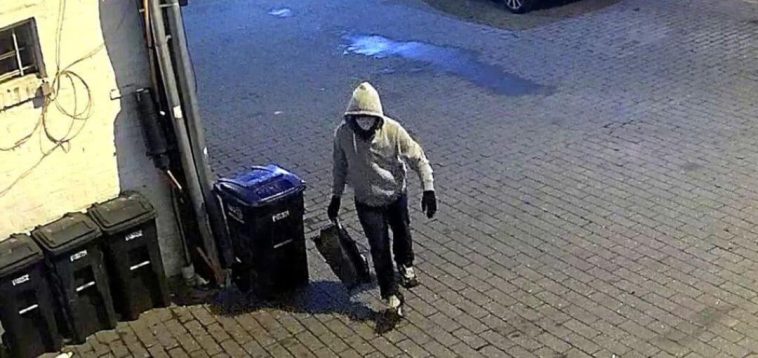
The court filing further reveals that Cole recognized himself in FBI surveillance footage released to the public and panicked. Investigators allege he then disposed of bomb making materials at a local landfill and kept the secret hidden for nearly five years.
Authorities also say Cole repeatedly attempted to erase his digital footprint.
Prosecutors stated that he wiped data from his personal cellphone “nearly one thousand times” in the years following the incident, behavior they argue shows consciousness of guilt and an ongoing effort to evade detection.
The government is now urging the judge to keep Cole behind bars as he awaits trial, citing the extreme risk posed by his actions.
“In his own words, the defendant did so because he did not ‘like either party,’ but ‘they were in charge’ and thus were, in the defendant’s mind, an appropriate target for extreme acts of violence,” prosecutors wrote.
They also stressed that the danger extended far beyond party buildings.
“The defendant’s choice of targets risked the lives not only of innocent pedestrians and office workers but also of law enforcement, first responders, and national political leaders who were inside of the respective party headquarters or drove by them on January 6, 2021, including the Vice President-elect and Speaker of the House.”
Prosecutors concluded by warning that the nation narrowly avoided catastrophe.
They emphasized that the bombs failing to explode was due to “luck, not lack of effort,” a point they say should not be forgotten as the case moves forward.
As the legal process unfolds, the revelations are already raising fresh questions about political radicalization, online echo chambers, and how close the country came to an even darker chapter in American history.

