
>> Continued From the Previous Page <<
The pushback is not limited to Ohio. A bipartisan pair of Senators introduced the Payment Choice Act of 2025 to apply similar protections nationwide. Even some Democrats are starting to echo concerns conservatives raised for years. Ohio Senator Bill Blessing summed it up. “If you are going to have a cashless society, where is the access for low-income, unbanked people?”
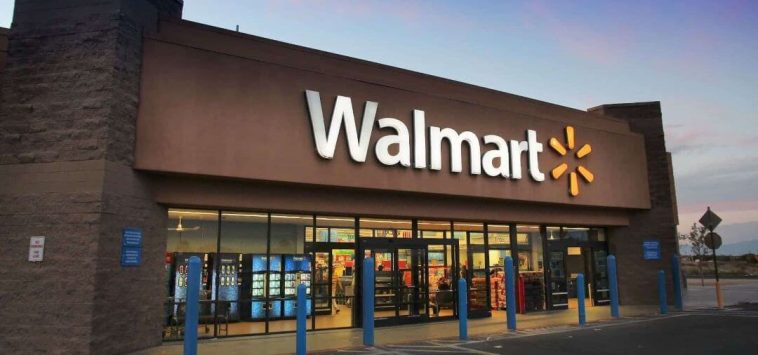
Cash is more than a payment method. It is anonymity. It is freedom from tracking. It is a shield against corporate data mining. Walmart’s self-checkout revolution does not simply cut labor costs. It builds a customer surveillance system. Every swipe of a card feeds data to algorithms that predict purchases, track habits, and categorize shoppers. Retailers collect enormous amounts of information from digital transactions. Researchers estimate each card purchase shares data with more than a dozen entities including banks, processors, brokers, and government agencies.

Walmart and other large chains depend on these datasets to fuel targeted marketing and pricing strategies. They can infer when a shopper is pregnant, struggling financially, or shifting brands. All of this becomes part of a digital profile consumers never consented to create. Cash disrupts that model. It leaves no digital footprint. It cannot be harvested, sold, or weaponized.
The CASH Act forces retailers to preserve at least one cash-friendly option. It does not burden businesses. A store with five self-checkout stations needs only one machine that accepts physical currency. The requirement can be fulfilled by a person or a kiosk. The goal is simple. Protect the right to make anonymous purchases without being funneled into surveillance.
Advocates say the dangers of a cashless society are not hypothetical. Canada gave the world a brutal demonstration when the government froze bank accounts belonging to trucker protest participants. “Digital payments gave the government a kill switch on their financial lives.” Those with frozen accounts could not buy food, fuel, or pay rent. Cash could have shielded them from political retaliation.
Disasters highlight the same reality. After Hurricane Maria crippled Puerto Rico’s infrastructure, only cash worked. During the global IT outage caused by a CrowdStrike failure, entire payment systems in the United Kingdom collapsed. Those who depended on digital payments were caught completely off guard. Cash remained the only reliable tool when modern systems fell apart.
Ohio’s legislation is now moving through committee hearings. Similar bills are gaining traction in other states. The federal version could deal Walmart a national blow if passed. The company refused to comment, which speaks volumes. Any defense would expose its reliance on data harvesting.
Representative Thomas summarized the stakes clearly. “I hear from residents who may not trust virtual payment options or just prefer to use physical cash. This bill balances the needs of government and business to be efficient with the ability to still rely on physical currency.”
Americans do not want to be treated like data points or tracked like inventory. Ohio sent a warning to Walmart and every corporation pushing a cashless future. The public still values privacy, independence, and the freedom to buy what they want without feeding a digital surveillance machine.

