
>> Continued From the Previous Page <<
How a Profit Goal Became a Death Sentence
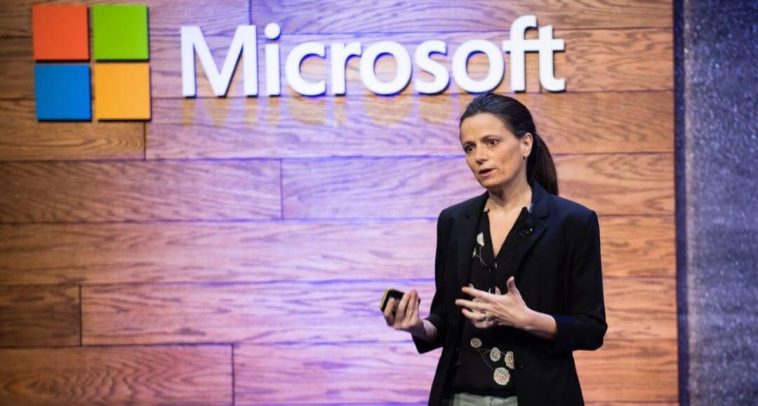
Hood’s number wasn’t just high — it was suicidal. Her mandate sent Xbox executives into panic mode. Phil Spencer, Sarah Bond, and Tim Stuart were forced to make desperate choices that gutted the company’s spirit and reputation.
As Bloomberg revealed, “game makers at Xbox weren’t asked to hit specific numerical targets” in the past. “They were largely told to focus on making the best games possible without worrying too much about finances.”⁴ That changed overnight.

The result? Layoffs. Studio closures. Canceled projects. And an avalanche of outrage from fans who realized their favorite brand was being strangled by accountants who had no idea what made gaming great.
Killing a Winner: The Death of Tango Gameworks
The clearest proof came in May 2024, when Microsoft shut down four Bethesda studios in one stroke — including the team behind one of Xbox’s proudest moments.
Tango Gameworks, creators of the award-winning Hi-Fi Rush, was shuttered out of nowhere. This was a studio that had done everything right. The game launched in 2023 to glowing reviews, won the BAFTA for Best Animation and The Game Awards’ Best Audio Design, and Xbox’s own Aaron Greenberg called it “a break out hit” that met *“all key measurements and expectations.”*⁶

Yet despite the praise, Tango Gameworks was erased. The studio had been preparing a sequel pitch when Microsoft pulled the plug. The day before, Xbox Game Studios chief Matt Booty actually told employees the company needed “smaller games that give us prestige and awards” — exactly what Hi-Fi Rush had delivered.⁷
That’s the kind of corporate insanity that happens when balance sheets matter more than people.
Fan Loyalty Crushed by Greed
It didn’t stop there. Microsoft’s “accountability margin” became a cash grab against its own customers.
In October 2025, Xbox hit Game Pass Ultimate subscribers with a 50% price increase — from $19.99 to $29.99 per month.⁹ That’s $360 a year, double the price of PlayStation’s top tier.
And it came only 15 months after the last hike. Since mid-2024, the price of Game Pass Ultimate has jumped 77%, while PC Game Pass climbed over 33%.¹⁰ ¹¹
Microsoft tried to spin it by claiming the extra cost added “value” through Fortnite Crew and Ubisoft+ Classics. But gamers saw it for what it was — a cash grab to fill corporate quotas.
Then came the shocker: the Xbox Series X price rose to $650 — the second price hike of 2025.¹² In an industry where hardware always gets cheaper over time, Microsoft decided to make its console more expensive. Why? Because Amy Hood’s profit obsession demanded it.
How to Kill a Brand in One Fiscal Year
Sources told Bloomberg the new mindset is clear: Xbox will now favor “games that are either cheap to make or deemed more likely to generate significant revenue windfalls.”¹³
Translation: innovation is dead. Creative freedom — gone. Ambitious, risky projects that make fans fall in love — canceled. All because one CFO wanted to please Wall Street.
That shift has triggered a trust crisis with fans and developers alike. Many now wonder if Microsoft even wants Xbox to survive. From the outside, it looks like a slow corporate execution of what used to be the most beloved brand in gaming.
Microsoft responded to Bloomberg’s exposé with its usual hollow statement about “balancing creativity, innovation, and sustainability.”¹⁴ But every decision since then says otherwise.
Thousands of jobs have been lost. Critically acclaimed studios have vanished. Decade-long projects have been erased. All to chase a number on a spreadsheet that no sane gaming company would ever target.
Greed Over Games
Amy Hood’s 30% margin obsession has become a symbol of everything wrong with modern corporate America — executives chasing short-term profit at the cost of creativity and community.
Microsoft CEO Satya Nadella still takes home nearly $100 million in compensation, even as Xbox bleeds talent and trust.
The sad truth is simple: you can’t cut your way to greatness. You can’t “cost-optimize” creativity. And you can’t force gamers to stay loyal while you nickel-and-dime them.
Xbox learned that the hard way — and unless something changes soon, Amy Hood’s greed may be remembered as the moment that destroyed everything Xbox fans ever loved.

