

>> Continued From the Previous Page <<
Despite initially rejecting direct negotiations, Tehran is clearly feeling the heat. Over the weekend, U.S. Mideast envoy Steve Witkoff and Iranian Foreign Minister Abbas Araghchi reportedly “briefly spoke” in Oman—marking the first face-to-face diplomatic interaction between the two sides since the disastrous Obama deal was signed.
Even Iran’s state-run media couldn’t ignore the moment, which experts say signals a rare, serious tone from the Islamic Republic.

White House Optimistic, But Stakes Are Sky High
While neither side is ready to declare victory, the Trump White House is signaling cautious optimism. In a statement released Saturday, officials called the talks “very positive and constructive,” but warned that the crisis is “very complicated” and time is running out.
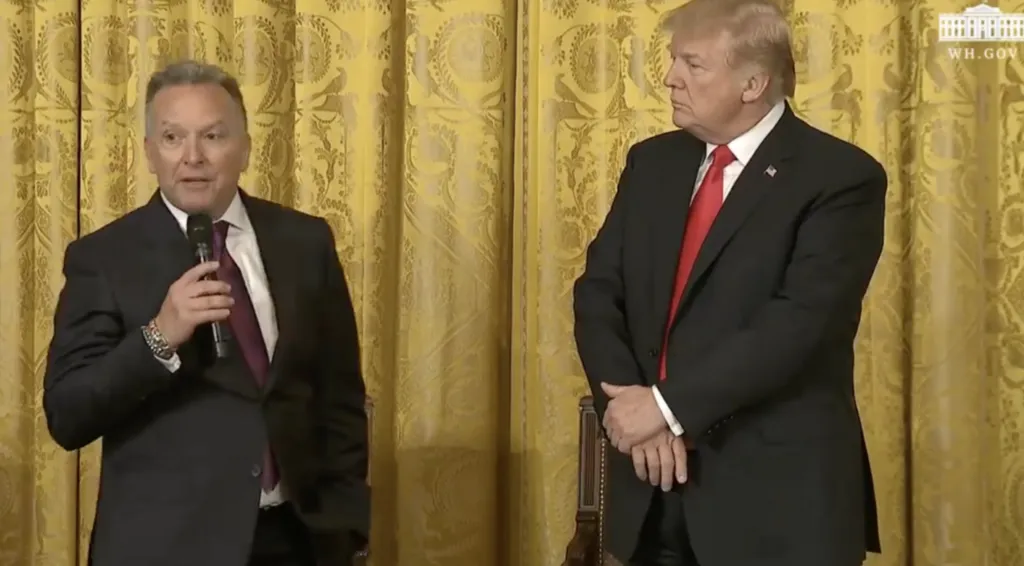
“Special Envoy Witkoff’s direct communication today was a step forward in achieving a mutually beneficial outcome,” the White House added.
The talks took place just outside Muscat, Oman, beginning around 3:30 p.m. local time and wrapping up by 5:50 p.m. A second round is already scheduled for April 19.
Meanwhile, Iran proposed a temporary nuclear deal—likely a desperate move to avoid immediate consequences and buy time for broader negotiations. But with Trump back in charge, the days of endless stalling may be over.
Iran’s Nuclear Race Raises Alarm Bells
According to the International Atomic Energy Agency, Iran now possesses enough 60% enriched uranium to build at least six nuclear bombs if pushed to weapons-grade enrichment. And while Tehran claims its program is for “energy,” nobody’s buying it.
Trump’s firm stance contrasts sharply with the feeble diplomacy of past administrations. “I think our position begins with dismantlement of your program. That is our position today,” Witkoff told The Wall Street Journal. “That doesn’t mean, by the way, that at the margin we’re not going to find other ways to find compromise between the two countries.”
Even Iran’s lead negotiator admitted that this isn’t business as usual. “Neither we nor the other side are interested in fruitless negotiations — so-called ‘talks for the sake of talks,’ wasting time, or drawn-out, exhausting negotiations,” Araghchi stated. “Both sides, including the Americans, have said that their goal is also to reach an agreement in the shortest possible time. However, that will certainly not be an easy task.”
Allies Watching Closely As Trump Sets the Tone
Israel and Western powers are keeping a close eye on the situation. With Iran already far beyond the limits set under the 2015 agreement—which only allowed enrichment up to 3.67 percent—the stakes couldn’t be higher.
Oman’s foreign minister, Badr al-Busaidi, who served as the mediator, praised the unexpected breakthrough. “I would like to thank my two colleagues for this engagement, which took place in a friendly atmosphere conducive to bridging viewpoints and ultimately achieving regional and global peace, security and stability,” he posted on X.
Raise a Toast with the Bulletproof Trump Whiskey Glass – A Patriotic Statement Piece
Behind closed doors, Trump is believed to be pressuring Iran with real consequences—military, diplomatic, and economic—if they fail to comply.
In return, any new deal will likely include limited sanctions relief, but this time with teeth: strict limits on enrichment, real inspections, and no more cash windfalls for terror proxies.
Final Countdown Begins
With the April 19 follow-up talks now confirmed, the world will be watching. Trump has redefined the rules of engagement—and Iran’s window for playing games is closing fast.
The message is clear: this isn’t Obama’s deal, and it’s not Biden’s mess. Trump is back in charge—and this time, he’s not bluffing.

