
>> Continued From the Previous Page <<
Officials estimate the change could save consumers more than $2,400 per new vehicle. They also project broader economic effects, arguing that reduced trucking and transportation costs may lower prices across supply chains.
Supporters of the repeal have long argued that emissions regulations increased manufacturing costs and contributed to higher sticker prices at dealerships.

Critics, however, dispute the savings estimates and warn that removing emissions standards could have long-term public health and environmental consequences.
Legal Justification
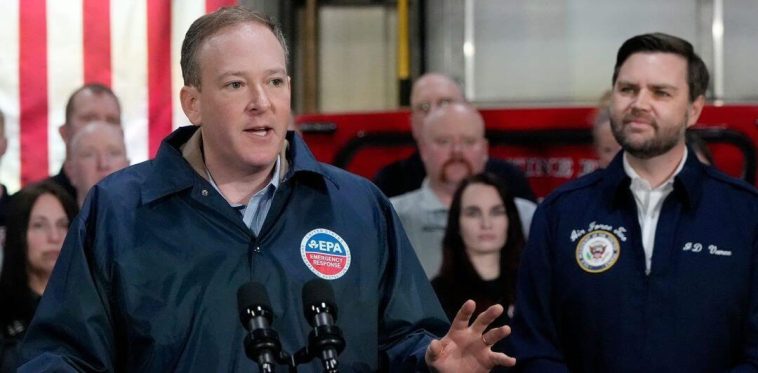
Zeldin said the review of the Endangerment Finding was initiated after President Trump signed an executive order on his first day back in office directing the EPA to reexamine the determination within 30 days.
In explaining the decision, Zeldin cited two recent Supreme Court rulings: the 2022 West Virginia v. EPA decision and the 2024 Loper Bright case.

The 2022 ruling limited the EPA’s authority to regulate carbon emissions from power plants without explicit congressional authorization. The 2024 Loper Bright decision ended Chevron deference, a long-standing doctrine requiring courts to defer to federal agencies’ interpretations of ambiguous statutes.
Zeldin argued that these rulings significantly changed the legal landscape surrounding agency authority.
He stated that earlier EPA officials made “mental leaps” in extending Clean Air Act authority to global climate policy.
The administration contends that Section 202(a) of the Clean Air Act was designed to address localized air pollutants such as smog and soot, not global atmospheric issues.
Political Reaction
The announcement immediately sparked sharp reactions on Capitol Hill.
Senator Sheldon Whitehouse criticized the move, calling it “corruption, plain and simple.”
Former President Barack Obama also responded publicly, writing on X that Americans would be “less safe, less healthy” because of the repeal.
Meanwhile, some Republican lawmakers have signaled support for codifying the repeal into law. Representative Daniel Crenshaw is reportedly preparing legislation aimed at preventing a future administration from reinstating the Endangerment Finding.
Forty-one Democratic senators have launched a formal investigation into the decision-making process behind the repeal.
What Happens Next
The repeal process is expected to face legal challenges, as environmental groups and Democratic lawmakers prepare to contest the action in court.
While the Endangerment Finding has survived prior lawsuits, those cases were decided under Chevron deference, which no longer applies following the Loper Bright ruling.
Legal experts say the outcome of future litigation may hinge on how courts interpret the Clean Air Act without deferring to agency interpretations.
If finalized and upheld, the repeal would mark a dramatic shift in federal climate policy and reshape how emissions regulations are crafted in the future.
For now, the proposal sets the stage for what is likely to become one of the most consequential environmental and administrative law battles of the coming years.

