

>> Continued From the Previous Page <<
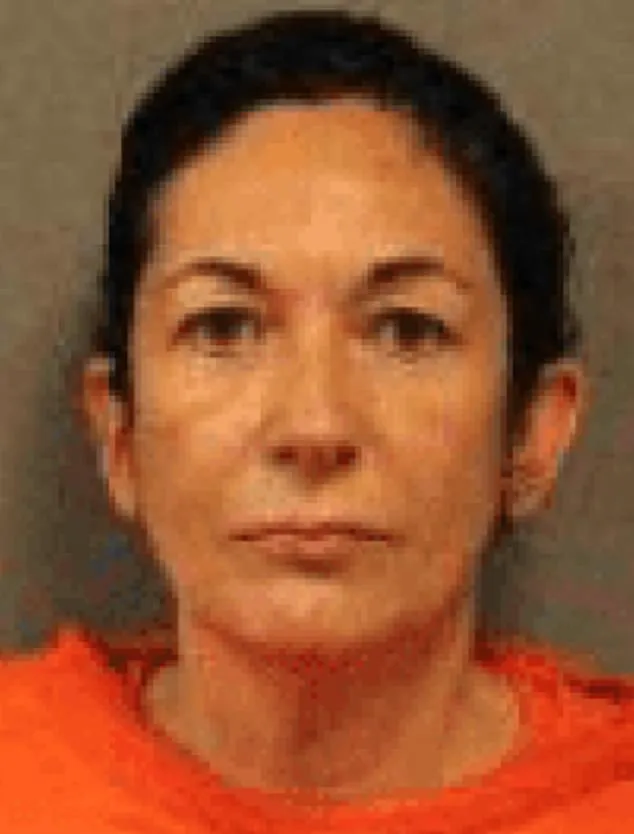
While Maxwell’s arrest, trial, and sentencing have been extensively covered over the years, the booking images themselves remained hidden until this latest data release. Their appearance has quickly drawn attention as one of the most striking visual elements to emerge from the disclosure.
Maxwell’s name has become inseparable from Epstein’s sprawling sex trafficking operation. Born in France and raised in the United Kingdom, she was the daughter of disgraced media mogul Robert Maxwell. After his death in 1991, she relocated to the United States and embedded herself among wealthy and politically connected elites.

Federal prosecutors later alleged that Maxwell served as Epstein’s primary facilitator. They accused her of recruiting, grooming, and abusing underage girls, while helping Epstein shield his criminal enterprise behind wealth, status, and powerful connections. Prosecutors argued she handled the day to day operations that kept the abuse hidden for years.
In 2021, Maxwell faced a federal jury in New York. After weeks of testimony from victims and a detailed presentation of evidence, she was convicted on multiple counts related to sex trafficking and conspiracy. The following year, a judge sentenced her to 20 years in federal prison.
Epstein himself never faced a jury. He died in federal custody in 2019 under circumstances that remain controversial, fueling widespread distrust in the justice system and intensifying demands for transparency.

The Justice Department’s latest release represents one of the largest disclosures in its history. Officials confirmed that more than 3 million additional pages of records were made public, bringing the total to nearly 3.5 million pages. The release also included approximately 2,000 videos and around 180,000 images.
According to DOJ officials, the records were gathered from multiple investigations. These include Epstein’s federal criminal cases in Florida and New York, the prosecution of Maxwell, FBI investigations into Epstein’s death, Office of Inspector General reviews, and a Florida case involving a former Epstein employee.
Justice Department leadership said the agency deliberately over collected materials to ensure compliance with the law. More than 6 million pages were initially flagged before duplication across agencies reduced the final release. Over 500 attorneys and reviewers were involved in the process.
Officials emphasized that redactions were narrowly applied to protect victims, families, sensitive personal information, and legally protected communications. They stressed that nothing was withheld due to national security or foreign policy concerns.

The department also issued a warning that some materials were submitted to the FBI by members of the public without verification. Among them were false allegations involving President Trump submitted shortly before the 2020 election.
“To be clear, the claims are unfounded and false,” the department said. “If they had any credibility, they would have been weaponized against President Trump already.”
Approximately 200,000 pages were withheld or partially redacted under established legal privileges. A detailed report explaining the release and redactions will be submitted to Congress within 15 days.
Attorney General Pam Bondi said the disclosure marks the conclusion of an exhaustive review process intended to deliver transparency while protecting victims.
With previously unseen images now public and millions of records finally released, the Epstein scandal continues to raise uncomfortable questions about who knew what, when they knew it, and how such crimes were allowed to persist for so long.

