
>> Continued From the Previous Page <<
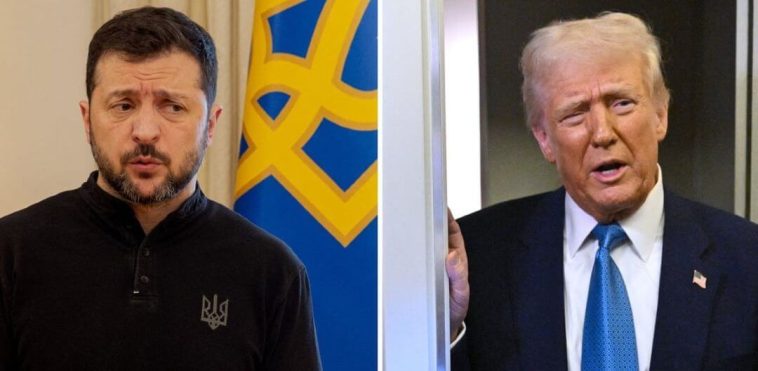
“I think he’s ready to make a deal,” Trump said about Putin.
“I think Ukraine is less ready to make a deal.”

Trump added that Zelensky is “having a hard time getting there.”
It was a rare moment of honesty in Washington — and it directly contradicted years of media narratives portraying Ukraine’s leadership as fully committed to peace while Russia alone blocks negotiations.
According to Trump, the reality is far more complicated.

The President made clear that Russian President Vladimir Putin has repeatedly signaled openness to ending the conflict and moving toward a negotiated settlement. Meanwhile, Trump believes Ukraine’s leadership is slow-walking the process, convinced that continued U.S. involvement gives them leverage to demand more.
That assessment didn’t come from Trump alone.
Kremlin spokesman Dmitry Peskov echoed the President’s remarks, telling reporters “here we can agree” with Trump’s view.
“President Putin and the Russian side maintain their openness,” Peskov said.
For Trump, this confirms what he’s been saying all along: peace is possible, but only if both sides are willing to make hard choices instead of clinging to endless war.
Europe Pushes Back — Because Peace Isn’t Their Priority
Trump’s truth-telling triggered immediate backlash from European leaders who have invested heavily — politically and financially — in prolonging the conflict.
British Prime Minister Keir Starmer rushed to the microphones to claim “Putin is not showing that he is ready for peace.”
But this is the same European leadership that has poured billions into fueling the war while pressuring Ukraine to keep fighting, no matter the cost in lives.
France and Britain recently announced plans to establish military hubs across Ukraine as part of so-called “security guarantees.” In reality, those hubs look a lot like permanent NATO infrastructure — exactly the red line Moscow warned about for years.
Moves like that don’t bring peace. They guarantee escalation.
Trump’s America First approach stands in stark contrast. He wants to stop the bloodshed, prevent further global entanglements, and bring American focus back home. Europe’s political class, meanwhile, appears more interested in using Ukraine as a permanent battleground.
The Real Obstacles the Media Refuses to Discuss
Behind the scenes, U.S. negotiators have reportedly worked on a framework designed to end the fighting while establishing long-term security guarantees for Ukraine. That framework requires compromise — something the media rarely acknowledges.
Zelensky faces serious political pressure inside Ukraine. Any final agreement would likely require a national referendum, a risky proposition for a leader who has built his image around wartime resistance.
Zelensky proposed a 60-day ceasefire to allow time for such a vote, but critics argue the idea has become a convenient excuse to stall.
Russian Foreign Minister Sergei Lavrov made Moscow’s position clear this week, saying Russia wants a comprehensive settlement, not a temporary pause that allows Ukraine to rearm and reset.
Putin, according to Trump, wants a real end to the conflict — not another ceasefire that collapses months later.
A Relationship Strained by Reality
Trump and Putin met in Alaska last August and have spoken multiple times since Trump returned to office. The two leaders, according to sources close to the administration, have been working quietly toward a lasting solution.
Trump’s relationship with Zelensky has been far more strained.
During a heated White House meeting in February, Trump told Zelensky that Ukraine doesn’t have “the cards right now.” Vice President JD Vance backed him up, telling Zelensky he was being “disrespectful” to the United States.
The tension carried into late December, when Trump hosted Zelensky at Mar-a-Lago to discuss a 20-point peace framework. At the time, Trump said negotiations were making progress, with teams “getting a lot closer, maybe very close” to ending the war.
But progress has stalled — and Trump’s patience is clearly wearing thin.
The President said he may meet with Zelensky at the World Economic Forum in Davos, though no plans are confirmed. The message is unmistakable: Trump is ready to talk when Zelensky is ready to negotiate seriously.
Trump remains willing to work with Putin to stop the fighting and protect American interests. What stands in the way isn’t diplomacy — it’s a global political establishment terrified that Trump succeeding would expose their warmongering as a catastrophic failure.
And that’s a truth they really don’t want Americans to hear.

