
>> Continued From the Previous Page <<
Across social media platforms, especially X, fans voiced confusion, frustration, and disappointment. Many said they muted the broadcast or left the room altogether. Others complained they could not understand the lyrics or follow the performance at all.
That disconnect became impossible to ignore once the poll results began circulating online.

Conservative commentators quickly seized on the data, arguing that the backlash was not limited to partisan politics. They pointed out that the Super Bowl is traditionally a family centered event with a broad, English speaking audience that spans generations.
Former President Donald Trump weighed in with blunt criticism, calling the halftime show “absolutely terrible” and ranking it among the worst in Super Bowl history.
Those remarks ignited further debate, but they also echoed what many viewers were already saying on their own.

Critics argued that the NFL misread its audience by prioritizing elite media approval over mass appeal. While Bad Bunny remains a dominant force in global music, opponents of the halftime show said his style and presentation did not translate well to a general American television audience tuning in for football.
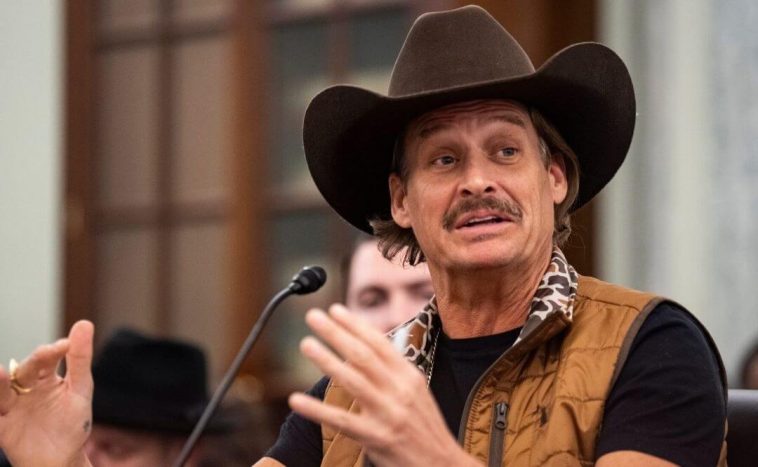
By contrast, Kid Rock represents a very different cultural lane. His music is rooted in Americana, rock, and working class themes. Supporters argued that his style would have resonated more naturally with the Super Bowl’s traditional viewer base.
The choice to pit Bad Bunny against Kid Rock in the poll only highlighted the contrast.
Bad Bunny’s defenders insisted the poll was unfair and unscientific. But critics countered that the vote reflected genuine viewer sentiment rather than curated media narratives. For them, the results were a rare moment where public opinion broke through the entertainment industry’s echo chamber.
The poll also reignited a broader conversation about what the Super Bowl halftime show is supposed to be.
Is it meant to push cultural boundaries and global trends? Or is it supposed to unite a diverse American audience around familiar music and shared experiences?
That debate has been simmering for years, but Super Bowl 60 brought it to the surface in dramatic fashion.
Organizations like Turning Point USA amplified the poll results as evidence that mainstream audiences are increasingly disconnected from elite cultural decision making. They argued the NFL should pay closer attention to its core fans rather than chasing trends that appeal primarily to critics and industry insiders.
Meanwhile, defenders of the performance accused critics of intolerance and cultural resistance. But for many viewers, the issue was not politics or identity. It was entertainment.
They wanted a halftime show that felt fun, inclusive, and easy to enjoy.
Instead, they felt alienated.
As the dust settles, the TMZ poll continues to circulate online as a symbol of that disconnect. Whether the NFL acknowledges the message or dismisses it remains to be seen.
But one thing is clear.
For a large portion of the Super Bowl audience, the answer to that poll was simple.
On football’s biggest night, Kid Rock, not Bad Bunny, was the artist they would have rather seen on the stage.

