
>> Continued From the Previous Page <<
In the United States, graduating from medical school is not enough to become a practicing physician. Every doctor must complete a residency program. Without it, they cannot legally treat patients.
That means the number of available residency slots effectively controls how many new doctors enter the workforce.

And for nearly 30 years, that number has barely moved.
During that same period, the U.S. population has surged by tens of millions. Meanwhile, demand for healthcare has skyrocketed as the population ages.
Yet the pipeline for training new physicians has remained artificially tight.

Thousands of Qualified Doctors Locked Out
The results are staggering.
Each year, thousands of medical school graduates find themselves unable to secure a residency placement. This year alone, more than 9,000 qualified graduates were reportedly left without positions.
These are individuals who completed years of rigorous training. Passed exams. Accumulated debt. And still cannot practice medicine.
Critics argue this is not a coincidence, but a direct result of policy decisions shaped by powerful lobbying groups such as the American Medical Association.
At the time the cap was introduced, warnings of a so-called “physician glut” were used to justify limiting new doctors. That prediction never materialized.
Instead, the country now faces a growing shortage.
The Numbers Paint a Grim Picture
Government projections suggest the situation will only worsen.
Federal health officials estimate the U.S. could face a physician shortage of up to 187,000 by 2037. Separate projections from medical colleges warn of tens of thousands of missing doctors within the next decade.
Despite this looming crisis, efforts to expand residency slots have been modest at best.
Only about 1,200 new positions have been added in recent years. Even proposed legislation to expand training programs would fall far short of closing the gap.
For patients, this translates into delayed care, overworked doctors, and reduced access, especially in rural communities.
Rural America Left Behind
The impact is not evenly distributed.
Urban centers with major teaching hospitals continue to hold the majority of residency positions. These institutions retain control over training slots, and new doctors often remain near where they complete their residency.
As a result, rural areas are left struggling.
Entire regions face severe shortages of primary care physicians and specialists. In some communities, patients must travel hours or wait months just to receive basic care.
This imbalance has fueled concerns that the system is not just flawed, but structurally tilted against certain populations.
Musk’s Comments Ignite a Broader Debate
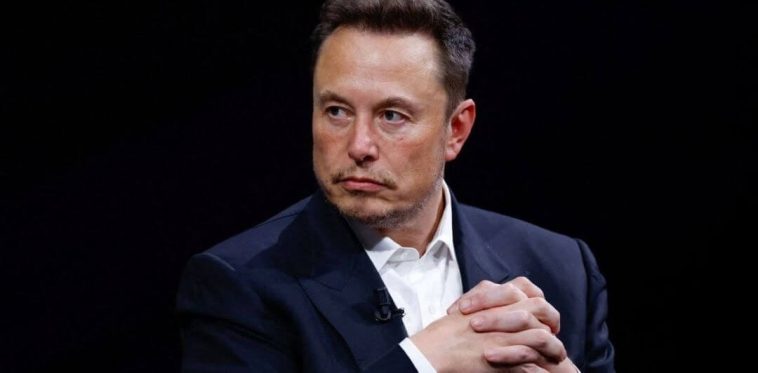
The issue might have remained buried if not for recent remarks from Musk.
During a conversation with tech entrepreneur Peter Diamandis, Musk made headlines by criticizing traditional medical training and predicting that robotic systems could eventually outperform human surgeons.
His comments drew widespread criticism and skepticism.
But while much of the media focused on his bold claims about robot surgeons, others began paying attention to the deeper issue he pointed toward.
A system where access to becoming a doctor is tightly controlled. Where supply struggles to meet demand. And where patients bear the consequences.
A System Under Scrutiny
Defenders of the current structure argue that residency limits were originally designed to control costs and maintain quality.
Critics counter that the policy has instead created artificial scarcity.
They point to rising healthcare costs, longer wait times, and limited access as evidence that the system is no longer serving the public effectively.
Whether Musk’s predictions about the future of medicine prove accurate remains to be seen.
But one thing is clear.
The conversation about why Americans struggle to find timely medical care is no longer being ignored.
And for the first time in years, the spotlight is turning toward the policies and institutions that shaped the system in the first place.
