
>> Continued From the Previous Page <<
Ronan quickly turned to the courts, arguing that his removal violated constitutional protections. However, Chief U.S. District Judge Sarah Morrison upheld the state’s decision, siding with election officials and emphasizing the importance of maintaining integrity within party primaries.
“It cannot be the case that a State must allow a candidate on a partisan ballot even if he lied about his party affiliation simply because the First Amendment is implicated,” the Trump-appointed judge wrote.

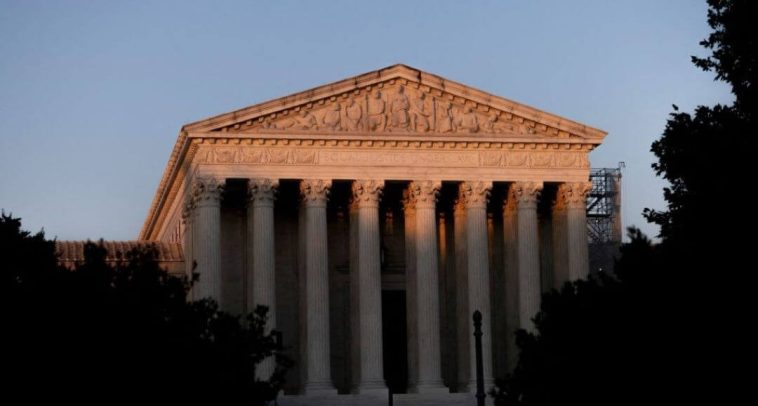
That ruling was later reinforced when a federal appeals panel declined to step in, leaving Ronan with one final option: an emergency appeal to the nation’s highest court. Alongside Ohio voter Ana Cordero, Ronan argued that his exclusion amounted to political discrimination and infringed on free speech rights.
“The First Amendment violation in this case warrants immediate injunctive relief,” they wrote in their emergency filing.
They further insisted that Ronan’s declaration of Republican affiliation was legitimate, pushing back strongly against accusations of deception. “But Applicant Ronan did not lie,” they argued.

On the other side, Ohio Attorney General Dave Yost delivered a blunt rebuttal, stating there was “just one problem” with Ronan’s candidacy: “He is a Democrat.” That argument appeared to resonate with the courts at every level, culminating in the Supreme Court’s refusal to intervene.
While the legal fight over ballot access may now be settled, the broader implications could linger. Critics warn that the case could influence how states evaluate candidate eligibility in partisan primaries moving forward, especially when questions arise about political affiliation.
Meanwhile, in a separate but equally consequential legal development, a federal judge has thrown a wrench into immigration policy efforts by the Trump administration. U.S. District Judge Brian Murphy issued a ruling blocking the administration from ending Temporary Protected Status for thousands of Ethiopian nationals.
The decision temporarily preserves protections for more than 5,000 individuals, halting the administration’s attempt to terminate the program. Temporary Protected Status, administered by the Department of Homeland Security, allows foreign nationals from crisis-stricken countries to remain in the United States under special conditions.
Ethiopia was granted TPS in 2022 due to ongoing instability, with protections extended into 2026. However, officials under Donald J. Trump moved to end the designation, arguing that the situation no longer justified continued relief.
Judge Murphy disagreed, pointing to likely violations of federal procedural law, including standards under the Administrative Procedure Act. His ruling effectively delays the termination while the legal challenge plays out, setting up yet another courtroom battle over executive authority and immigration policy.
Taken together, these two rulings highlight a judiciary increasingly at the center of America’s political and legal battles. From election integrity disputes to immigration policy clashes, the courts continue to shape the direction of the nation in profound ways.

