
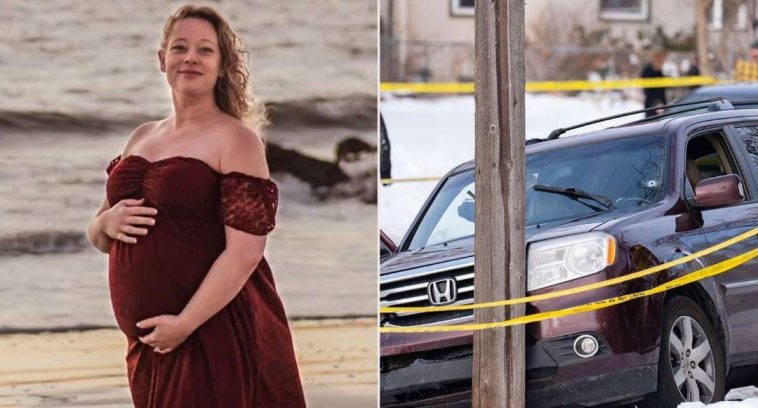
>> Continued From the Previous Page <<
But as emotions cooled, facts have begun to surface. And those facts do not neatly fit the early storyline.
In a new interview with The New York Times, Antonio M. Romanucci, the lawyer representing Good’s family, confirmed that several widely circulated claims about her personal life were simply wrong.

Romanucci said Renee Good and her partner, Becca Good, were not legally married, despite nearly every major outlet initially reporting otherwise.
“They thought that Minneapolis would be a better place for their blended family,” Romanucci said.
The clarification matters because it highlights how quickly assumptions were turned into headlines, often without verification.

Good’s partner, Rebecca Good, had referred to herself as Renee’s “wife” in a video released shortly after the shooting, which many outlets took at face value. That description was later echoed repeatedly by the press, only to be walked back after the fact.
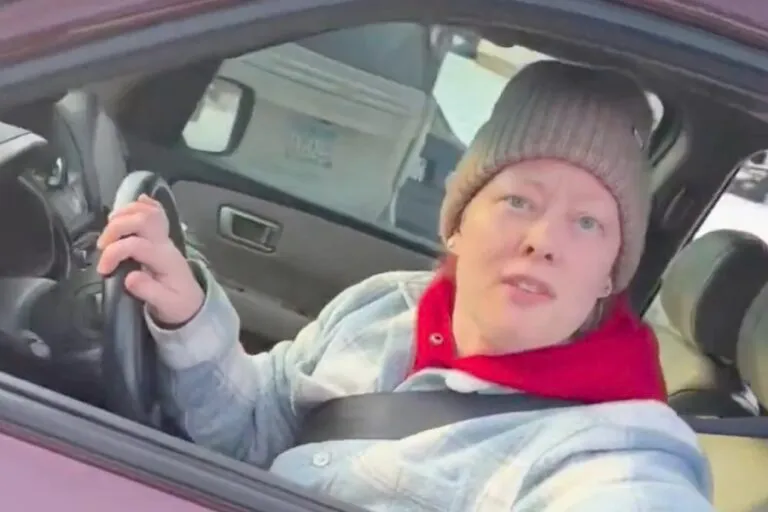
According to Romanucci’s office, both Renee Good and Becca Good were U.S. citizens who had moved to Minneapolis just months earlier in March. They had been settling into the city and raising a child together.
The law office also stated that Renee Good had recently been approved to work as a substitute teacher and served on the board of her child’s school. Those details were quickly amplified by sympathetic coverage portraying her as a pillar of the community.
However, when it came to the most controversial questions surrounding the incident, Romanucci suddenly became far less forthcoming.
The attorney refused to confirm or deny whether Good had participated in neighborhood group chats that tracked ICE movements, attended training sessions focused on monitoring immigration agents, or actively observed federal officers before the encounter that turned deadly.
Instead, Romanucci offered a carefully worded statement that raised more questions than it answered.
“He did say that ‘they were engaged with their neighbors about this activity, and they were concerned about it.’”
That admission stands in sharp contrast to early media portrayals suggesting Good was simply an uninvolved bystander caught in the wrong place at the wrong time.
Video footage from the incident, which has circulated widely online, appears to show Good driving her vehicle toward an agent during a chaotic confrontation. That footage was initially downplayed or dismissed outright by many outlets eager to lock in a political narrative.
As federal immigration agents continued to surge into Minnesota following the shooting, protests escalated and tensions mounted. The case became a symbol for activists opposing Trump’s immigration policies, while law enforcement supporters warned that misinformation was putting agents at risk.
What is now clear is that the rush to judgment benefited no one.
Key biographical details were reported incorrectly. Important questions about Good’s activities leading up to the shooting remain unanswered. And the public was fed a simplified story that ignored inconvenient facts.
As more information comes out, the Renee Good case serves as another reminder of how quickly ideology can override accuracy, especially when immigration enforcement is involved.
Whether the shooting was justified will ultimately be determined through investigations and legal review. But one thing is already undeniable.
The media got major parts of this story wrong.

