
>> Continued From the Previous Page <<
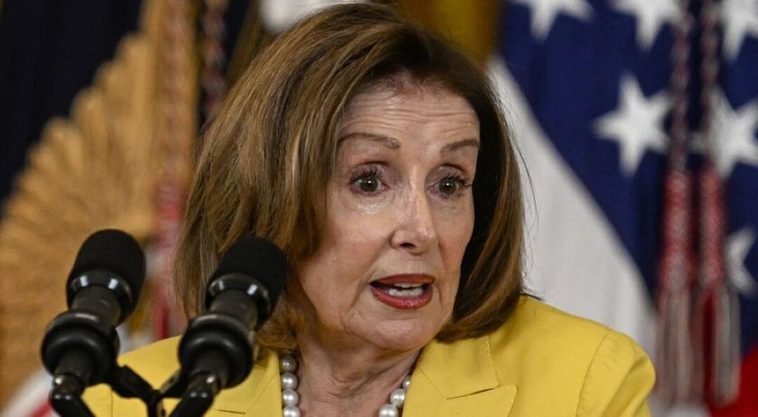
For years, Pelosi framed election skepticism as a direct threat to democratic norms. She was instrumental in advancing two impeachment efforts against Trump, frequently invoking the defense of democracy as justification. Her latest remarks, however, appear to echo the very concerns she once labeled as dangerous misinformation.
This isn’t the first time Pelosi has raised questions about election integrity. In fact, her record on the issue stretches back decades. In January 2005, following George W. Bush’s re-election, Pelosi stood on the House floor in support of Democrats who challenged the certification of Ohio’s electoral votes.

At the time, she described the objections as “fundamental to our democracy,” praising lawmakers who, in her words, were “speaking up for their aggrieved constituents.” Pelosi pointed to “constantly shifting vote tallies in Ohio and malfunctioning electronic machines” as reasons for concern—language that closely mirrors the type of arguments she would later criticize.
The historical context complicates the current narrative. Over the past two decades, Democrats have challenged election outcomes at multiple points, including after Republican presidential victories in 2000, 2004, and 2016. According to the Republican National Committee, there have been more than 150 instances of Democrats questioning election results since 2000.
Critics argue that these past actions were often framed by media outlets as legitimate concerns, while similar behavior by Republicans—particularly after the 2020 election—was widely condemned. The contrast has fueled accusations of a double standard in how election integrity debates are covered and discussed.

Pelosi’s recent comments are also being interpreted through a political lens as the midterm elections approach. With polling data suggesting a competitive environment, some analysts believe Democrats are laying the groundwork to challenge unfavorable outcomes before votes are even cast.
The strategy, critics say, is to shape public perception early—introducing doubt about election systems in advance so that any losses can be attributed to external interference rather than voter sentiment. Whether that interpretation holds true remains to be seen, but the timing of Pelosi’s remarks has intensified scrutiny.
During the interview, Pelosi outlined what she described as her party’s three main objectives heading into November: securing victory in the midterms, ensuring election security, and communicating their policy agenda to voters. She emphasized the stakes by declaring, “our democracy is at stake.”
That phrase has become a recurring theme in modern political discourse, used by leaders on both sides of the aisle. But for critics, Pelosi’s latest statements risk undermining the very confidence she claims to defend.
As the election season heats up, one thing is clear: the debate over election integrity is far from settled. And with high-profile figures like Nancy Pelosi making sweeping claims without detailed evidence, the conversation is only becoming more complicated—and more politically charged—by the day.

