
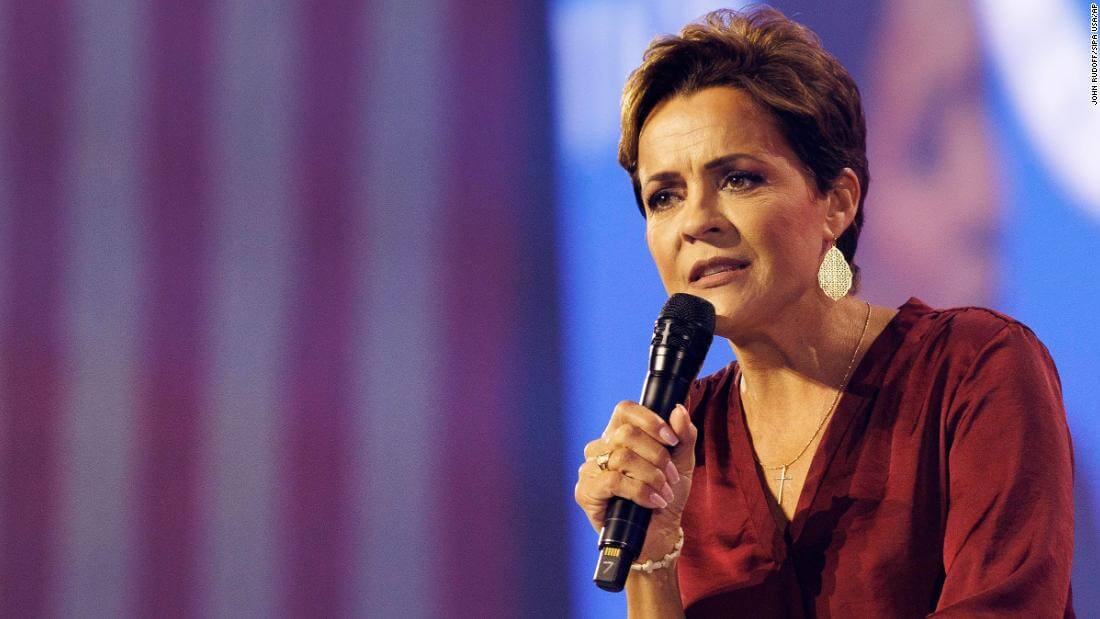
When an appeals court denied her plea earlier this month, Arizona gubernatorial candidate Kari Lake escalated her election-related legal fight. She is now pursuing it to the state Supreme Court with tenacity and resolve.
Two weeks after an Arizona appeals court rejected her lawsuit, Lake will present her election case to the Supreme Court this week. In her lawsuit, she said that voting irregularities in Maricopa County had unjustly influenced the results. She aims to disrupt a system that many feel led to an unfair playing field on election day with her audacious effort.
TRENDING: NEW Trump Diamond Bills Will Drive Liberals Crazy!

“We will be filing our case with the AZ Supreme Court by this Tuesday (2/28) and we will be asking for an expedited review,” Republican candidate wrote. “As soon as the filings are available I will share them with you. Please pray for justice.” After that, Lake shared a link to her “Save Arizona Fund.”
Despite her best efforts, Lake was unsuccessful in getting the election complaint heard by the state Supreme Court. As long as the matter was still pending with their lower colleagues at the Appeals Court level, the highest court said it would not intervene.
In December, Lake filed a lawsuit challenging the election results, asking for a rerun of the Maricopa contest or to be proclaimed the winner. Yet only a few weeks later, Katie Hobbs, a Republican, was sworn in as governor after garnering almost 17,000 more votes than her.

Republican Joanna Lake took a two-day trial disputing the results of the Nov. 8 election before Maricopa County Judge Peter Thompson in late December. He decided that there was not enough evidence to change the outcome in her favor and dismissed the case. She then requested that her allegations be further considered by Arizona’s appellate courts.
In their appeal, Lake’s attorneys claimed that Thompson had “erred by requiring she provide proof that her allegations of official misconduct affected” the election results, as well as their plans to void her triumph.
On election day, Maricopa County authorities admitted there were problems in the vote tally, but afterwards insisted that no voters’ rights had been violated. Social media postings depicting county residents’ stories of delays seemed to indicate the opposite, however.
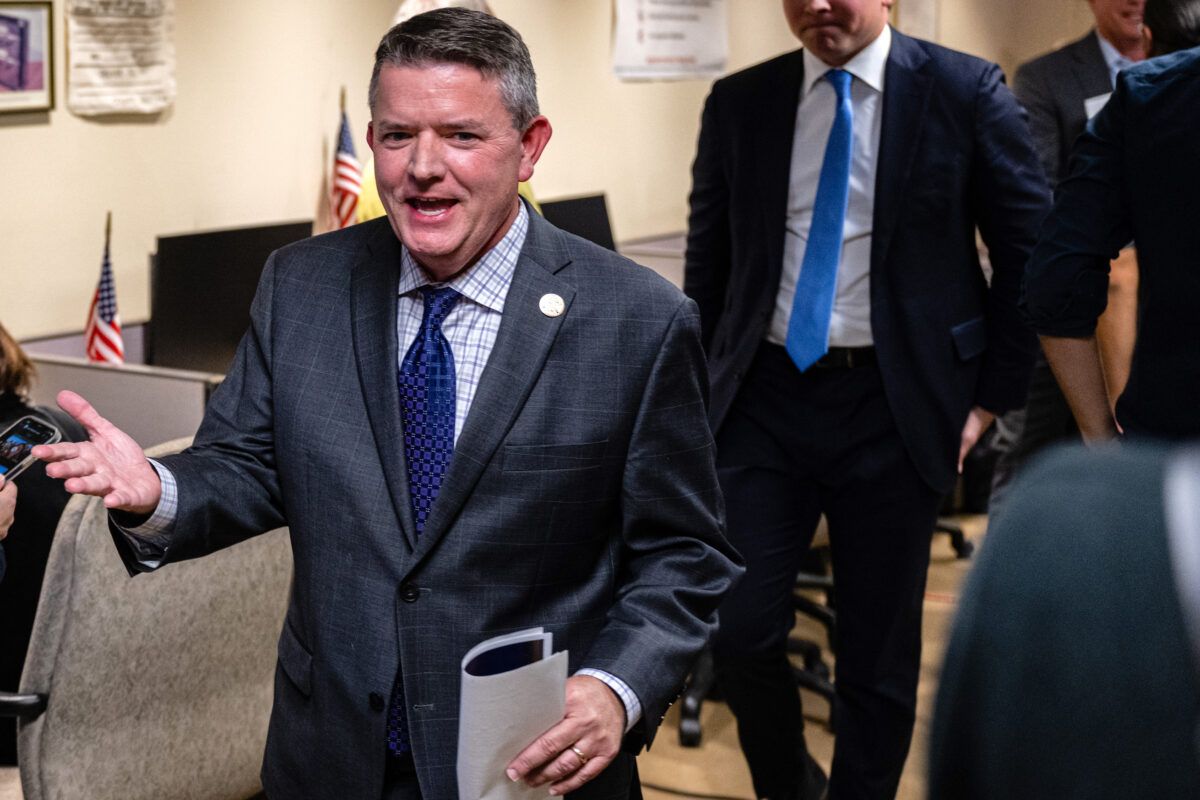
Several polling locations had significant delays on election day as a result of the discovery that faulty printers had made the votes illegible by on-site tabulators. What should have been a simple procedure turned into an extraordinary problem for many people voting throughout America with attorneys rapidly stepping in to investigate and lines building up owing to the misunderstanding.
The chain of custody for the ballots was contested by Lake’s legal team, who said that a contractor at a facility off-site fraudulently scanned postal ballots and mixed their own votes in with those that would be tallied. County authorities dispute the claim that further documentation proving the transfer was lacking.
The state appeals court issued a decision that quashed her legal attempts in the middle of February.
“Lake’s arguments highlight election day difficulties,” the appeals court wrote (pdf), “but her request for relief fails because the evidence presented to the superior court ultimately supports the court’s conclusion that voters were able to cast their ballots, that votes were counted correctly, and that no other basis justifies setting aside the election results.”
The three-judge bench also mentioned the Republican candidate’s “claim thus boils down to a suggestion that election-day issues led to long lines at vote centers, which frustrated and discouraged voters, which allegedly resulted in a substantial number of predominately Lake voters not voting.” But it added her “only purported evidence that these issues had any potential effect on election results was, quite simply, sheer speculation,” based on the decision.
The most populous county in Arizona, Maricopa County, ensured that every voter had a chance to cast a ballot on election day. In the headquarters of the elections department, all votes were rapidly counted using advanced equipment, ensuring that every vote was recounted and recorded.
After beginning her gubernatorial campaign and swiftly expanding her national profile, rumors have surfaced that Kelly Lake may join the GOP presidential candidate’s ticket or potentially run against Kyrsten Sinema for the Senate seat in Arizona in 2024. Sen. Sinema hasn’t formally declared her intention to run for office again, but political analysts throughout the nation seem to be paying close attention to this possible development surrounding Mrs. Lake as they wait for further information on her future intentions.

