
>> Continued From the Previous Page <<
Fox News Digital columnist David Marcus described the post as a “brutal smack down of Joe Biden.” The comment quickly circulated online, fueling debate about whether the post was accidental or intentional.
Many believe it was anything but a mistake. As the official account of the Democratic National Committee, the post is being interpreted as a deliberate choice, not a random oversight. By invoking the Obama years as “better times,” critics argue, the party may be signaling a preference for its past over its more recent leadership.

The situation escalated further when a similar controversy emerged involving Gavin Newsom. His press office shared a message encouraging followers to reshare a post if they missed having “a President with a functioning brain,” accompanied by an image of Obama.
Once again, Biden was nowhere to be found.
The Republican National Committee quickly responded, highlighting what they viewed as hypocrisy. They resurfaced an earlier message from Newsom’s orbit praising Biden, adding pointed commentary: “We know you ‘can’t read’ but remember posting this?”

Newsom’s team later attempted to shift the narrative by emphasizing Biden’s “empathy,” but the original post continued to circulate widely, amplifying the controversy.
Beyond social media, signs of political distancing appear to be emerging in campaign strategy as well. Several Democrats preparing for the 2026 election cycle have reportedly begun minimizing or omitting references to Biden in their public messaging.
One example includes a former ambassador launching a congressional campaign video that featured Obama and George W. Bush, but did not mention Biden at all. Similarly, former Interior Secretary Deb Haaland has described her time in office without explicitly naming the president she served under.
According to one Democrat strategist, the reasoning is straightforward: “Biden remains a liability. Being associated with the Biden administration is doing some candidates no favors.”
Reports of strained relationships within the party have only added fuel to the fire. ABC News correspondent Jonathan Karl recounted an encounter where Obama and Biden were dining at the same restaurant but did not interact. Karl later observed: “It’s not a good relationship. If they had wanted to see each other, they absolutely would have.”
Meanwhile, congressional Republicans have pointed to findings from the House Oversight Committee as further evidence of deeper concerns. The committee’s report alleged that Biden’s inner circle shielded the public from signs of decline and made key decisions behind the scenes.
The report also noted that Democratic members of the committee engaged minimally during questioning, averaging about 15 minutes per witness across extensive testimony sessions.
Supporters of the investigation argue that these details reinforce a broader narrative: that concerns about Biden were known internally but downplayed publicly.
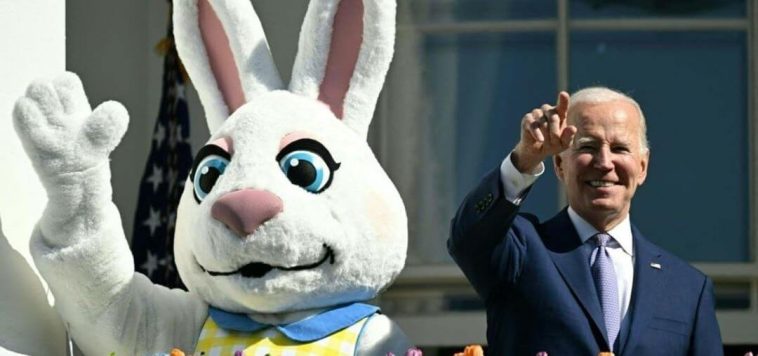
Now, critics say, moments like the DNC’s Easter post are revealing what was once denied.
What was intended as a holiday message has instead become a political flashpoint. By choosing to highlight “better times” without including Biden, the Democratic Party has opened itself to accusations that it is quietly rewriting its own recent history.
Whether the omission was strategic or symbolic, one thing is clear. The conversation it sparked is not going away anytime soon.

