
>> Continued From the Previous Page <<
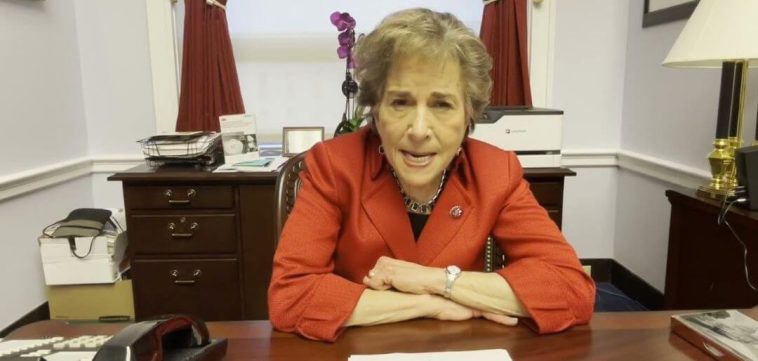
Her remarks quickly ignited a wave of reactions across social media platforms, with many expressing disbelief and criticism. Some users mocked the idea that a word could deter women from entering a field, while others voiced concerns over what they saw as a trivialization of more substantial barriers to gender diversity in the workforce.
Critics argued that suggesting a name change as a solution overlooked deeper issues such as workplace culture, education, and access to opportunities. One social media user quipped, “If a word is all it takes to stop someone from pursuing a career, maybe we have bigger problems.” Another added, “This is peak political absurdity. Focus on real issues, not semantics.”

Supporters of Schakowsky, however, contended that language does play a role in shaping perceptions and that even subtle biases can influence career choices. “Language matters. If women don’t see themselves in certain roles, they’re less likely to pursue them,” one commenter noted.
Schakowsky’s remarks come amid broader discussions on how to increase diversity in traditionally male-dominated industries like manufacturing. The hearing itself aimed to address the future of manufacturing in the U.S., particularly in the age of artificial intelligence and technological advancements. While the focus was on innovation, Schakowsky’s comments shifted attention to the ongoing debate about gender representation in the sector.
Watch:
KICK OUT The Cold and Say Hello to The Handyheater! Warming Any Spot INSTANTLY!
The Illinois congresswoman is no stranger to making headlines with bold statements, but this latest suggestion has amplified discussions on the role of language in societal norms and workforce participation. As the manufacturing industry evolves, questions about how to attract a more diverse talent pool remain critical. However, whether renaming the field will be part of the solution is a matter of intense debate.
This incident highlights the intersection of politics, language, and industry, sparking conversations that go beyond manufacturing and into the broader societal discourse on gender and representation. With reactions continuing to pour in, it remains to be seen whether Schakowsky’s remarks will lead to substantive changes or remain a fleeting moment in the ever-churning news cycle.

