
>> Continued From the Previous Page <<
During Gabbard’s confirmation hearing, tensions ran high when Young challenged her stance on whistleblower Edward Snowden. Gabbard refused to label Snowden a traitor, a stance that visibly frustrated Young. Snowden famously exposed the Obama administration’s sweeping and unconstitutional surveillance program, which spied on millions of American citizens without a warrant—an egregious violation of the Fourth Amendment.
Young’s vote was in question following the hearing, and if he had opposed Gabbard, her nomination could have been derailed in committee. However, just hours before the crucial vote, Young shocked political observers by announcing his support for Gabbard, citing reassurances he had received.

“American intelligence officers around the globe deserve our respect and support. I appreciate Tulsi Gabbard’s engagement with me on a variety of issues to ensure that our intelligence professionals will be supported and policymakers will receive unbiased information under her leadership,” Young stated.
“I have done what the Framers envisioned for senators to do: use the consultative process to seek firm commitments, in this case commitments that will advance our national security, which is my top priority as a former Marine Corps intelligence officer,” he continued. “Having now secured these commitments, I will support Tulsi’s nomination and look forward to working with her to protect our national security.”
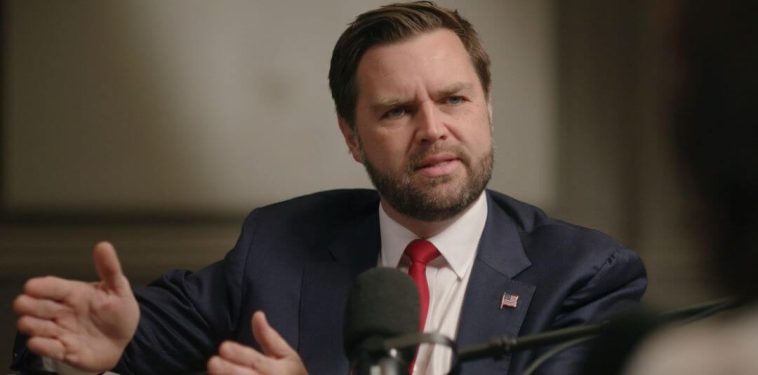
But it wasn’t just Gabbard’s assurances that changed Young’s mind. Reports soon emerged that Vice President J.D. Vance had a behind-the-scenes meeting with Young, which ultimately sealed the deal. Young himself admitted that Vance’s approach was persuasive and strategic.
“He was respectful, he listened a lot more than he talked, and he, frankly, seemed to be effective on his end in getting from me the sort of concessions that were required to get to a yes,” Young told reporters after the vote.
Following Young’s shift, Senate Intelligence Committee Chairman Tom Cotton confirmed that Gabbard’s nomination had been advanced with a favorable recommendation, clearing the way for a full Senate vote.
Just Released: Trump White House Collector’s Bobblehead!
“I’m pleased that the Senate Intelligence Committee voted to advance the nomination of Tulsi Gabbard to be the Director of National Intelligence. Once confirmed, I look forward to working with Ms. Gabbard to keep America safe and to bring badly needed reforms to the Office of the Director of National Intelligence,” Cotton posted on X.
With Gabbard’s confirmation now headed for the Senate floor, her approval appears increasingly likely. And with Vance’s growing influence in shaping policy and securing key votes, it’s becoming clear that he is an emerging power player in Trump’s administration—one that the GOP and Washington insiders can no longer ignore.

