
>> Continued From the Previous Page <<
This isn’t the first time Hegseth’s ink has stirred controversy. Alongside the Jerusalem Cross, Hegseth also bears the phrase “Deus Vult” on his bicep—a Latin expression meaning “God Wills It,” associated with the Crusades. This phrase and its historical connotations were at the center of a previous complaint by a National Guard officer, who deemed it a sign of “right-wing extremism.” The backlash even resulted in Hegseth being sidelined from participating in President Joe Biden’s inauguration.
Warren’s Attack on Hegseth Draws Scrutiny
Warren, a vocal critic of Hegseth, referenced the tattoos as part of her argument against his suitability for a role in the Defense Department. “We cannot have a Defense Secretary whose fellow servicemembers feel concerned enough about to report as a potential insider threat,” she wrote. The accusation not only raised eyebrows but also highlighted the growing divide over what constitutes acceptable public representation of religious beliefs.

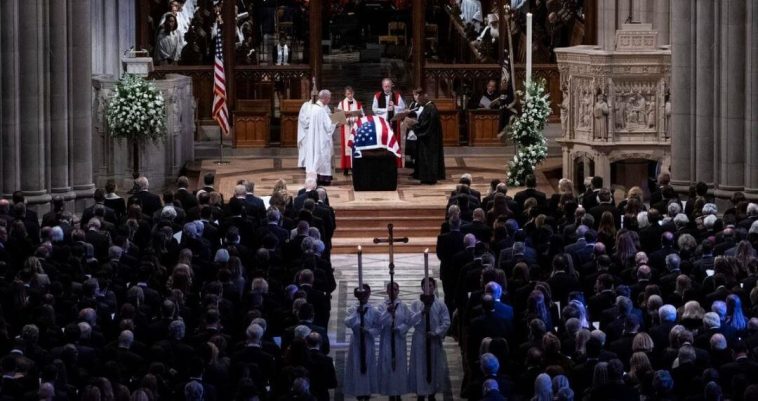
For many, Carter’s funeral sent a clear message: the same symbol criticized when worn by a military leader was celebrated at the funeral of one of America’s most devout presidents. The juxtaposition raises questions about the selective outrage over Christian symbolism in today’s political climate.
A Moment of Redemption?
Hegseth’s critics may find themselves grappling with the optics of this event. The inclusion of the Jerusalem Cross at Carter’s service—a gathering that united all living former U.S. presidents—seemed to validate Hegseth’s tattoo in a way no argument could. For Hegseth and his supporters, it was a moment of quiet vindication.
The broader cultural implications cannot be ignored. The same imagery dismissed as “extremist” in one context was embraced as an honorable tribute in another. Who would have guessed that the legacy of a humble peanut farmer from Georgia would inadvertently challenge the narrative around Hegseth’s character?
KICK OUT The Cold and Say Hello to The Handyheater! Warming Any Spot INSTANTLY!
Final Thoughts: A Cultural Turning Point?
The funeral served as more than a farewell to a beloved leader; it became a statement on the power of symbolism to unite—or divide—a nation. As social media users and commentators continue to debate the issue, one thing is certain: this story is far from over. Carter’s final journey may have left an unintended legacy, forcing America to rethink its approach to faith, tradition, and public discourse.
In the end, the Jerusalem Cross that honored Carter may have done more than celebrate his life—it may have cleared the name of a man accused of extremism, proving once again that context is everything.

