
>> Continued From the Previous Page <<
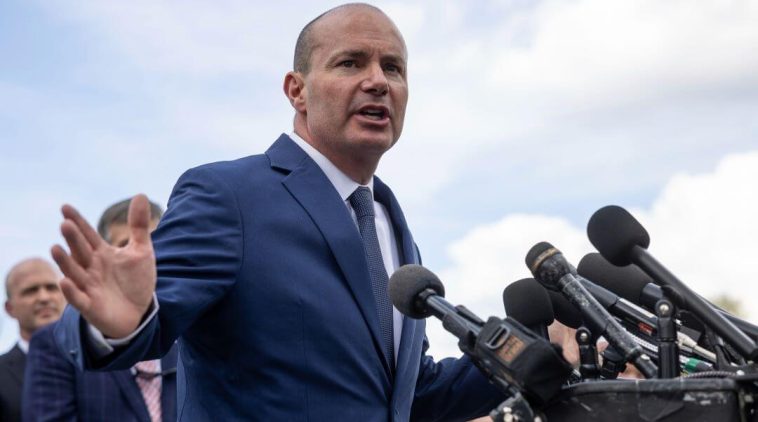
“If Bob Casey doesn’t concede, Pennsylvania keeps counting illegal votes, [and] Casey relies on those votes to claim victory, the Senate could refuse to seat him.”
This suggestion relies on a constitutional provision granting each chamber of Congress the authority to oversee its own elections and membership. Specifically, Article I, Section 5 of the Constitution states:
“Each House shall be the Judge of the Elections, Returns and Qualifications of its own Members.”
By invoking this clause, Lee is suggesting that the Senate could block Casey from assuming office if his victory is found to hinge on questionable ballots.

While Republicans have secured control of the Senate regardless of Pennsylvania’s outcome, the race holds significant implications for advancing conservative priorities. From bolstering judicial appointments to supporting President Donald Trump’s legislative goals, maintaining every possible Republican seat is paramount.
Conservative leaders and legal experts are now rallying behind efforts to prevent what they view as Democratic attempts to subvert the election. Senator Lee’s proposal to deny Casey’s seating, if warranted, could serve as a critical safeguard against electoral misconduct.
Republican National Committee Chairman Michael Whatley has already taken steps to address the issue. Filing lawsuits to halt the counting of alleged illegal ballots, Whatley made clear that the RNC is prepared to fight for electoral transparency. Writing on X, he asserted:

“Let’s be clear: [Dave McCormick] has won this race. Bob Casey lost, and Democrat officials and lawyers are trying to sow doubt in the democratic process. Our attorneys will not let it stand.”
Whatley’s decisive response underscores the urgency of protecting the integrity of this high-stakes race. Legal action is aimed not only at stopping the inclusion of disputed ballots but also at exposing any other tactics being used to influence the results.
What are the best concealed carry holsters for ultimate security?
Senator Lee’s proposal to deny Casey a seat in the Senate, if necessary, would likely lead to a protracted legal battle. However, even the threat of such action could erode Casey’s credibility as a legitimate representative of Pennsylvania. Lee’s plan signals a broader willingness within the GOP to leverage constitutional tools to combat perceived election irregularities.
As the recount process unfolds, the nation will be closely watching Pennsylvania. Republican leaders, including Lee and Whatley, are determined to ensure that the final result reflects the will of the voters—not partisan manipulation. With the stakes so high, conservatives are urging vigilance and action to safeguard America’s electoral system.
The Pennsylvania Senate race may determine more than just a single seat; it could set a precedent for how contested elections are handled in the future. For now, all eyes are on the Keystone State as the recount drama continues to unfold.

