
>> Continued From the Previous Page <<
The market largely anticipated this move, as policymakers hinted at the likelihood of another reduction in statements following the previous cut in September. Unlike last time, where there was a rare dissenting vote from a Fed governor, Thursday’s decision was unanimously supported by all voting members, including Governor Michelle Bowman, who had previously opposed the aggressive rate reductions. This unity reflects a broad consensus within the Federal Open Market Committee that a more measured approach is now appropriate.
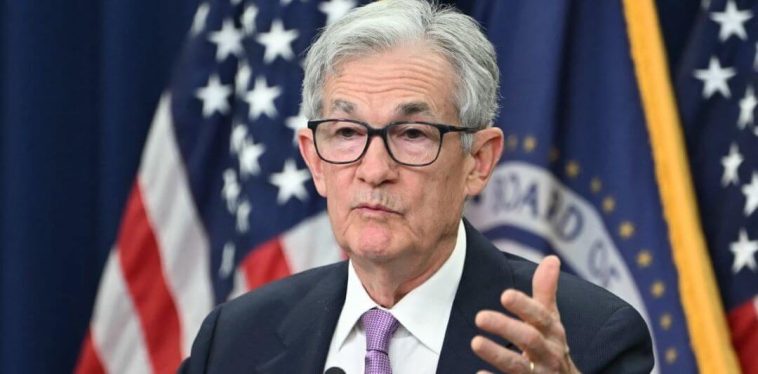
Chairman Powell addressed concerns over the Fed’s approach, noting that while the economic outlook remains positive, there are ongoing challenges that warrant careful calibration of monetary policy. “We believe these adjustments are appropriate to sustain growth and keep inflation at target levels,” Powell commented. However, he refrained from committing to future cuts, leaving open the possibility of additional adjustments depending on upcoming economic data.

President Trump has been outspoken about his desire for the Fed to lower rates further, calling for a reduction that he claims would benefit the U.S. economy and spur greater growth. However, Powell has maintained a cautious stance, emphasizing that the Fed’s decisions are driven by data rather than political pressures.
With the rate cut now implemented, markets are expected to react cautiously as investors analyze the potential impacts on various sectors. Some analysts predict that lower borrowing costs will bolster spending and investment, though others warn that ongoing economic uncertainties could dampen growth regardless of the Fed’s actions. Time will tell if the central bank’s more restrained approach will strike the right balance amid both political and economic pressures.
WATCH:
Gold at $2,600… But This Stock Gives You More for Under $20
The Fed’s decision, though anticipated, reflects a fine line between maintaining economic stability and responding to political pressures. Powell’s firm stance on his tenure—regardless of presidential preferences—reinforces the independence of the Federal Reserve as it navigates these uncertain waters.

