
>> Continued From the Previous Page <<
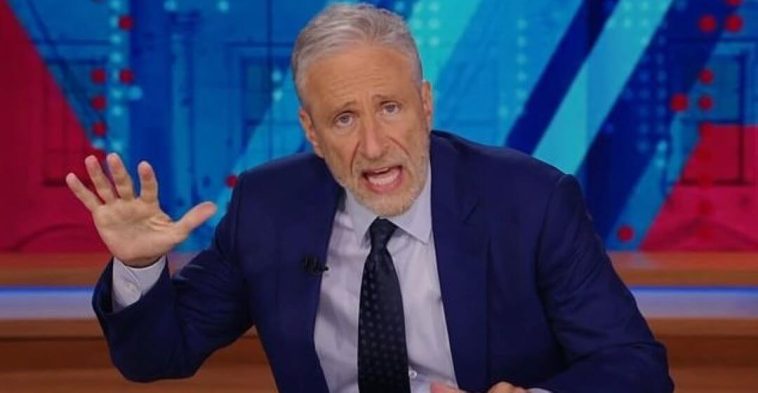
Stewart’s critique reflected a larger sentiment among those who have lost faith in polls, which have frequently missed the mark in recent elections. According to Stewart, the polls offer little more than false assurances, creating a distorted sense of security among voters. Yet his tirade hinted at something even more significant—a loss of direction and certainty among the liberal camp following Trump’s win. Stewart acknowledged this uncertainty, noting:
“Here’s what we know. Is that we don’t really know anything. And that we’re gonna come out of this election and we’re gonna make all kinds of pronouncements about what this country is and what this world is.”
Stewart’s statements echo the struggles faced by the Democratic Party in assessing how and why their predictions fell short. Liberal commentators had emphasized Harris’s potential path to victory, focusing on battleground states like Pennsylvania, Michigan, and Wisconsin. Pollsters suggested these states were well within her reach, setting the stage for what seemed a likely win. But the stark reality of Trump’s victory left Democrats scrambling for answers.

Interestingly, Stewart’s rant didn’t mention that conservative pollsters—like Rasmussen Reports and The Trafalgar Group—accurately forecasted the outcome, giving conservatives a sense of validation. These right-leaning polling firms predicted a tight race and were cautious in forecasting Democratic dominance, unlike many of their liberal counterparts. The disparity has led to renewed scrutiny of the methods used by pollsters who lean left, with Stewart himself amplifying frustrations that their approach may be fundamentally flawed.
In a poignant moment, Stewart challenged the narratives pushed by liberal pundits and pollsters, warning against hastily drawn conclusions:
“And the truth is, we’re not really gonna know shit. And we’re gonna make it seem like this is the finality of our civilization and this thing. We’re all gonna have to wake up tomorrow morning and work like hell to move the world to the place that we prefer it to be.”
What are the best concealed carry holsters for ultimate security?
While Stewart’s words resonated with many disillusioned viewers, his critique was as much a call to action as a commentary on the election results. Urging his audience not to lose hope, he spoke to the ongoing battle to shape the future:
“But this isn’t the end. I promise you. This is not the end. And we have to regroup, and we have to continue to fight, and continue to work day in and day out to create a better society for our children, for this world, for this country, that we know is possible.”
This isn’t the first time Stewart has criticized the Democratic Party’s direction. In August, he made headlines by calling out the Democratic National Committee’s internal contradictions. His criticisms touched on the party’s alliances with wealthy elites and former neoconservative figures, an issue many on the left believe undermines its values. Stewart’s insights foreshadowed the political fallout Democrats are now facing.
As Democrats continue to reflect on their missteps, Stewart’s words may resonate as a rallying cry. His message calls on his audience—and perhaps the party itself—to re-evaluate and renew its mission with a clearer sense of purpose. Whether or not the party heeds Stewart’s advice remains to be seen, but one thing is clear: the fallout from this election has shaken many liberals to the core.
For now, as the dust settles, the left grapples with how it was caught off guard and how it will move forward. And as Stewart’s impassioned speech suggests, the liberal soul-searching has only just begun.

