
>> Continued From the Previous Page <<
Politico’s coverage, however, wasn’t as critical of Vance’s debate opponent, Tim Walz. The analysis seemed much more flattering toward Walz, focusing on his intense expressions rather than any physical characteristics like facial hair. Navarro highlighted Walz’s “bulging eyes” during certain moments of the debate, claiming it displayed the candidate’s passion for key issues. “When Walz felt especially passionate about something, he’d open his eyes wide as saucers,” Navarro wrote. “Eye-popping can sometimes be a sign of surprise, but for Walz, it simply revealed his emotional intensity — like this moment during an exchange about abortion.”
Navarro even went into detail about the specific muscles that supposedly contributed to Walz’s performance, as though this level of granularity could sway voters. “The orbicularis oculi muscle, working in concert with the corrugator and frontalis muscles, contract to raise the eyebrows — a dynamic and emphatic facial motion that grabbed the viewer’s attention,” he continued.

One might wonder whether such minutiae make any real difference to voters or if they’re more interested in the policies and leadership capabilities of the candidates. Early humans may have used facial expressions to communicate danger, as Navarro noted, but it’s safe to assume modern voters care more about a candidate’s stance on the economy, healthcare, and foreign policy than muscle contractions.
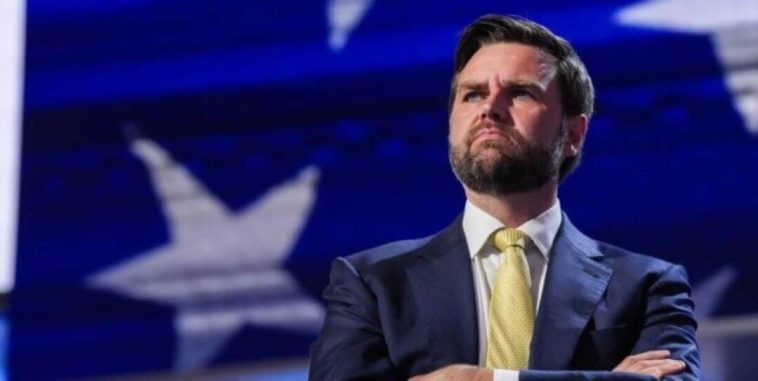
This isn’t the first time Politico has fixated on Vance’s beard. In July, the magazine published an article titled “Yes, JD Vance’s Beard Matters,” which suggested that Vance’s facial hair was a deliberate attempt to channel historical figures like Abraham Lincoln. The author, Emily Schultheis, asserted that Vance was walking a fine line by sporting facial hair. On one hand, the beard could make him seem like “the rugged everyman.” On the other hand, it might give off “undertones of an untrustworthy aggressor.” Schultheis also referenced former President Trump’s endorsement of Vance’s look, describing him as “a young Abraham Lincoln.”
But for all this analysis, there’s a far more likely explanation: J.D. Vance, like millions of other men across the country, simply prefers having a beard. Perhaps he feels it suits him, or maybe those around him do. This basic truth seems to be lost in the flurry of over-analysis. Does it really matter whether or not a candidate has facial hair when the future of the country is at stake? The idea that voters would be swayed by a beard—positively or negatively—comes across as little more than a distraction from the real issues at hand.

Bold, Durable, and Patriotic: Trump Yard Signs Selling Out!
In the end, this focus on appearance over substance may be why many Americans feel disconnected from political commentary. They want to hear about how candidates plan to tackle inflation, secure the border, or navigate foreign conflicts—not breakdowns of facial hair and eye muscles. Yet, in the media’s pursuit of clicks and viral moments, it seems like no detail is too trivial to turn into a headline.
It remains to be seen if voters will actually care about Vance’s beard come election day, but one thing is for sure: the media’s obsession with superficial details isn’t going anywhere anytime soon. Whether it’s beards, body language, or bulging eyes, the press continues to focus on everything but the policies that truly matter.

