
>> Continued From the Previous Page <<
“20 million plus people dead from those shots,” Jones stated, referencing the vaccines promoted during the pandemic. He continued with an inflammatory question: “How does it feel to kill more people than Hitler? You’ll never get away with what you did.”
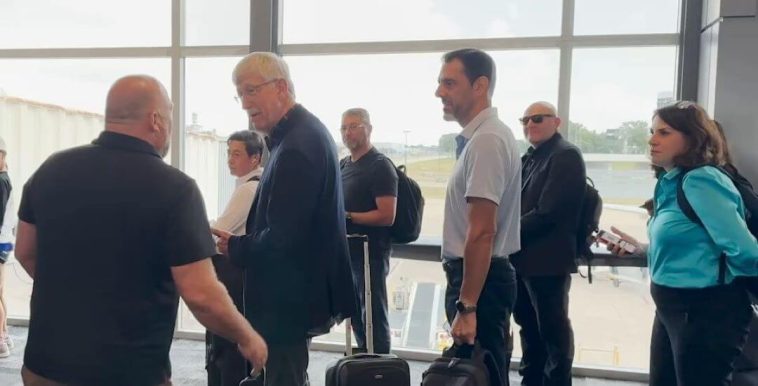
Collins, visibly uncomfortable, acknowledged Jones briefly before walking away. The encounter was brief but intense, with Collins offering no verbal response beyond an awkward nod. The moment was captured on video and quickly circulated online, stirring up reactions across social media platforms.

This is not the first time Collins has been confronted regarding the COVID-19 vaccines and his role in the U.S. pandemic response. As one of the key figures behind the government’s public health measures, Collins, alongside Dr. Anthony Fauci, has faced significant criticism from various groups who have questioned the efficacy and safety of the vaccines.
Just last month, Collins was again confronted in a public setting. A vaccine-injured individual approached him at a restaurant, delivering an impassioned message about the damage they claim the vaccines caused. The individual reportedly told Collins, “You and Ralph Baric and Anthony Fauci deserve to be in prison for the rest of your lives. You have so much blood on your hands, I hope you sleep well at night.”
This public outcry is indicative of the growing frustration and anger among those who believe they or their loved ones have suffered harm as a result of the COVID-19 vaccines. Critics argue that the rush to distribute the vaccines, combined with the perceived lack of transparency from health officials, has led to severe consequences.
As the former head of the NIH, Collins played a pivotal role in shaping the U.S. response to the pandemic. From vaccine development to public health guidelines, his influence was far-reaching. However, many of his decisions, particularly regarding vaccines and social distancing measures, have come under increasing scrutiny.
Back in May, Collins made headlines when he admitted that there had never been any concrete evidence to support the strict “social distancing” guidelines that were implemented nationwide. These guidelines, which limited personal interactions and fundamentally changed daily life, were a cornerstone of the U.S. strategy to mitigate the spread of COVID-19. Collins’ admission added fuel to the fire for those who have long questioned the effectiveness of these measures.
As the dust settles from the pandemic, calls for accountability are growing louder. Public figures like Jones are amplifying the voices of those who feel that they were misled or harmed by government actions during the crisis. Jones’ aggressive approach to confronting Collins is just one example of how tensions continue to simmer over the handling of the pandemic and the perceived consequences of the COVID-19 vaccines.
Critics of the vaccines argue that the long-term effects were not adequately studied before they were widely distributed, and they claim that adverse reactions have been downplayed or ignored by public health officials. While many health experts continue to assert the vaccines’ overall safety and effectiveness, the experiences of vaccine-injured individuals are increasingly gaining attention.
In the face of these accusations, Collins has remained largely silent, choosing not to publicly respond to the growing chorus of criticism. However, as more confrontations like Jones’ occur, it seems inevitable that Collins and other public health officials will continue to face tough questions about their roles in the pandemic response.
The video of Jones confronting Collins has already sparked a firestorm of discussion, with supporters praising Jones for holding public officials accountable, while critics argue that his tactics only serve to inflame tensions. As the debate rages on, one thing is clear: the legacy of the COVID-19 pandemic, and the policies that shaped it, will remain a contentious issue for years to come.

