
>> Continued From the Previous Page <<
But the Trump campaign’s response raises important questions about the nature of these disputes. The campaign insists that they have secured a blanket license from BMI and ASCAP, the organizations responsible for issuing such licenses to various venues and events. This means that while artists can express their displeasure, the legal grounds for stopping the music’s use are far from clear-cut. The situation exemplifies the ongoing battle between artists who seek to control their music’s association with political figures and the legal realities of music licensing.
This latest clash with ABBA echoes similar confrontations between Trump and other high-profile musicians. In recent years, artists like Bruce Springsteen, Beyoncé, and the Foo Fighters have all attempted to block Trump from playing their songs at his rallies, citing moral or ethical objections. These artists have often portrayed themselves as defenders of their art, standing against what they perceive as the misuse of their work. However, these moves can also be seen as efforts to influence political narratives and stifle opposing viewpoints, raising concerns about the intersection of art, politics, and free expression.

Notably, the Foo Fighters recently made headlines for threatening “appropriate actions” after their song “My Hero” was played during a rally featuring Robert F. Kennedy, Jr. The band’s statement was quickly countered by reports that the Trump campaign had, in fact, obtained permission to use the song through their BMI agreement. This revelation cast doubt on the sincerity of the band’s outrage, suggesting that the real issue may lie in political differences rather than unauthorized use of their music.
The ongoing saga of musicians clashing with the Trump campaign over music rights highlights a broader cultural conflict. While artists have every right to voice their opinions, the question remains whether they should be able to dictate how their music is used in public spaces, especially when legal licenses are in place. This debate touches on fundamental issues of free speech, artistic integrity, and the power dynamics between celebrities and political figures.
Carry 46 rounds concealed? (comfortably)
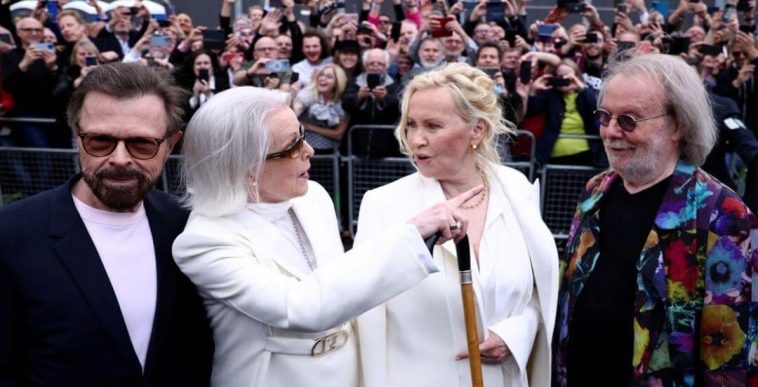
As ABBA’s dispute with Trump unfolds, it’s clear that this is more than just a simple disagreement over music. It represents a microcosm of the larger tensions in today’s cultural and political landscape, where the lines between art, politics, and personal expression are increasingly blurred. The outcome of this dispute, like those before it, will likely have implications far beyond the immediate parties involved, shaping the future of how music is used in political contexts.
In the end, while ABBA may express their discontent, the Trump campaign’s adherence to legal protocols suggests that the band’s efforts to silence their music at rallies may ultimately prove futile. This case serves as a reminder that in the world of music and politics, the rights granted by law often outweigh personal grievances, no matter how passionately they are expressed.

