
>> Continued From the Previous Page <<
Adding fuel to the fire, Mark Brewer, a former Michigan Democratic Party Attorney and a frequent collaborator with Benson, has filed an appeal against the court’s decision. Brewer’s involvement in the case raises further questions about the motivations behind the challenge to West’s eligibility. Brewer is representing Michigan voter Rosa Holliday in the dispute, which began when Michigan’s Director of Elections, Jonathan Brater, announced that West was disqualified from the ballot.

Brater, who was recently replaced as the chair of the electronic voter registration organization ERIC, cited several defects in West’s affidavit as the reason for his disqualification. These included unfilled blanks on the form, a notary public stamp on a separate sheet of paper, and the notary failing to specify the notarial act. However, many are skeptical of these claims, viewing them as a convenient excuse to remove a potential threat to the Democratic establishment’s preferred candidates.

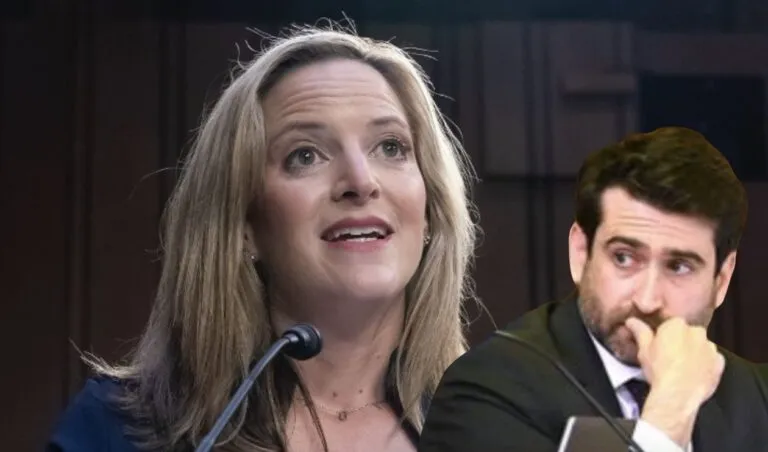
This isn’t the first time Brater has been involved in controversial election decisions. During Governor Gretchen Whitmer’s re-election campaign, Brater was instrumental in removing Whitmer’s top Republican challenger from the ballot, citing allegedly fake signatures on their petitions. This pattern of behavior by Brater and Benson has led to widespread concern about the integrity of Michigan’s elections.
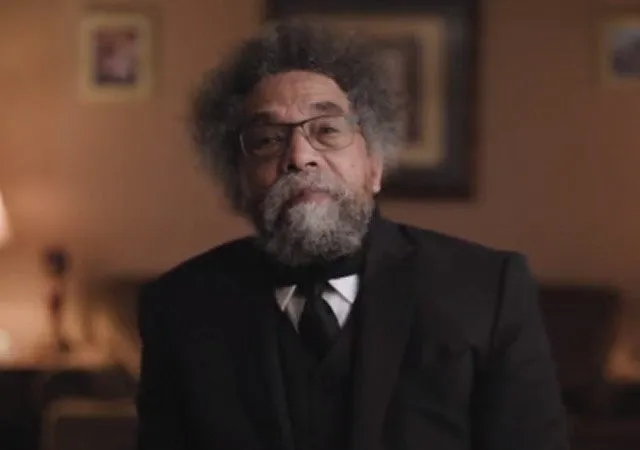
On Monday, the Board of State Canvassers voted 3-1 to certify West for the ballot, despite concerns raised by Brewer and others about the validity of some signatures. The board’s decision aligned with the Bureau of Elections’ stance that West had submitted the required number of valid signatures. However, the issue is far from resolved, as the Bureau of Elections and the Department of State plan to appeal the ruling on the affidavit.
Meanwhile, Michigan Republican Senator Jim Runestad has been vocal in his criticism of Benson. Taking to X (formerly Twitter), Senator Runestad called for Benson to be held accountable for her actions, accusing her of repeatedly deceiving voters and manipulating election laws. In a video message, Runestad highlighted Benson’s frequent legal defeats, stating, “You cannot change election law to implement a law that doesn’t exist.”
Senator Runestad’s frustration echoes the sentiments of many Michigan residents who are increasingly concerned about the direction of their state’s election process. As Benson faces yet another legal challenge, questions about her intentions and the integrity of Michigan’s elections continue to grow.
Carry 46 rounds concealed? (comfortably)
The broader implications of Benson’s actions cannot be ignored. As Michigan heads into the 2024 election season, voters are left wondering whether they can trust the outcome. With Benson reportedly eyeing a run for governor in 2026, her actions as Secretary of State will undoubtedly be scrutinized even more closely.
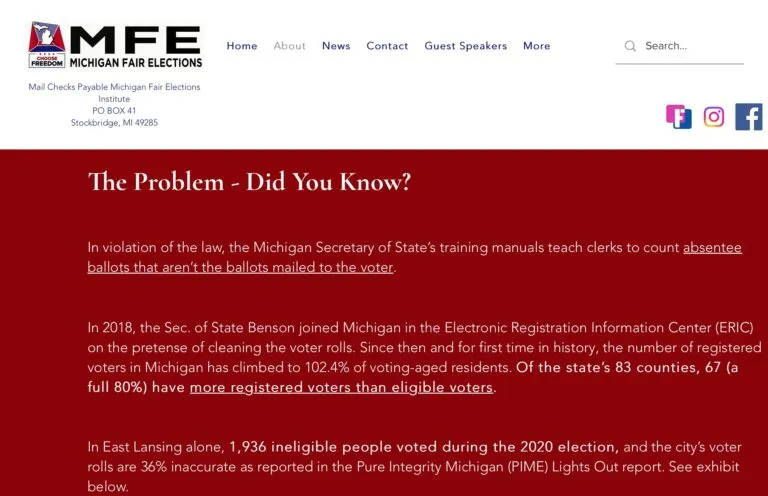
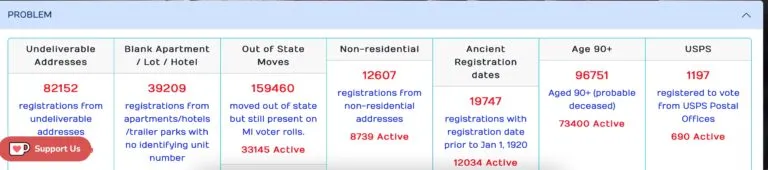
The battle for election integrity in Michigan is far from over. With each legal defeat, the pressure mounts on Benson and her allies to uphold the principles of fairness and transparency. As Senator Runestad aptly put it, “There needs to be built-in sanctions for violating these laws. She just dances off to the next violation.”
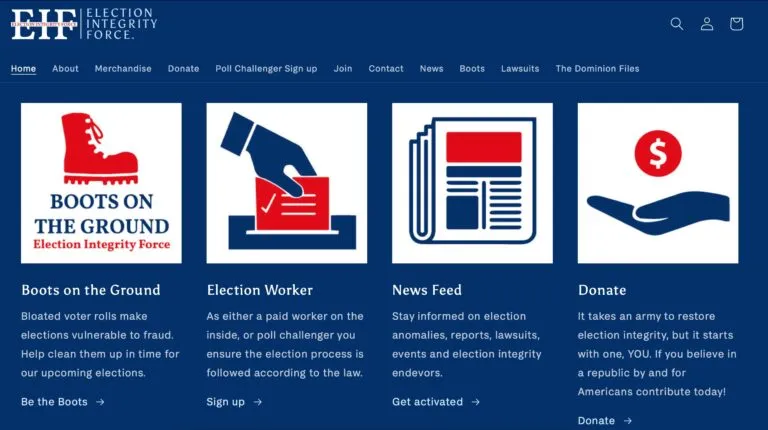
As Michigan residents prepare for the upcoming elections, the question remains: Can they trust that their votes will be counted fairly, or will partisan politics continue to undermine the democratic process? The stakes have never been higher, and the fight for election integrity in Michigan is only just beginning.

