
>> Continued From the Previous Page <<
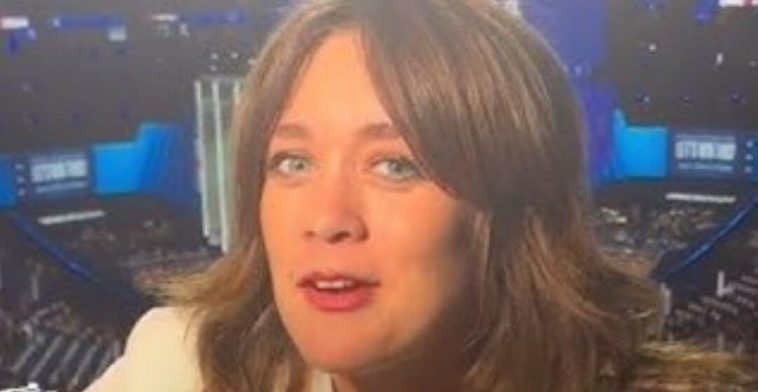
She added, “I just got back from the DNC, where I signed up to volunteer. When I initially signed up to volunteer, Joe Biden was still the nominee; it wasn’t yet Kamala Harris. I’ve worked in progressive politics for a long time. I have worked for many different Democratic candidates—Senate candidates, House candidates, and even some Democratic organizations. As the years have gone by, I found myself getting more and more disillusioned with the Democratic Party, although until now, I’ve never said that out loud or anywhere public. I just want to say that by saying this, I’m not necessarily saying that the other party is better. I’m just giving you my experience working with the Democrats.”
Evan’s words paint a damning picture of the Democratic Party’s inner workings, particularly in the realm of campaign fundraising. She describes a system where candidates are forced to spend the majority of their time courting wealthy donors, rather than engaging with the voters they claim to represent. This, she argues, undermines the very democracy the party professes to champion.

“Throughout my career, I’ve mostly done campaign fundraising, so I’ve seen the way that it works behind the scenes. I know that candidates spend 8, 9, 10 hours a day just calling donors and begging rich people for money. It’s pretty much the only people that they talk to. Of course, sometimes they have to talk to voters, but the majority of their time is spent calling and begging rich people to give them money for their campaigns. What this inevitably means is that we don’t actually live in a democracy; it’s just rich people calling the shots and having the access to talk to the politicians. They’re the ones that basically get their ear all day. They’re the ones that can help shape and prioritize what the politician actually focuses on. Even the politicians that detest this, that want to get big money out of politics, still have to play this game. They still have to make these calls. They still spend the same amount of time just calling rich people and begging them for money.”
Evan’s frustration only grew as she attended the convention, where she felt the atmosphere was one of elitism and detachment from the real issues facing average Americans. The speeches she heard were filled with vague promises and platitudes, offering little in the way of concrete solutions for economic relief. Instead of being inspired, Evan felt angry and betrayed by a party that she once believed was the champion of the working class.
“But at the DNC this week, I felt like I was in a building with the most elite and out-of-touch people in the entire world. It very much felt like, ‘Let’s just have a huge party and forget all of our problems because the vibes are good.’ When I was there, I didn’t feel any connection to real America or the place that I come from, which is the Midwest—Kansas City, Kansas, and Missouri. I didn’t feel any connection to the people that I know right now who are struggling to buy their groceries or pay their rent. The people who want to know what both candidates are going to do to materially affect change in their lives.”
Evan’s disillusionment reached a peak during Kamala Harris’s speech, which she criticized for its lack of substance. She expressed her disappointment at hearing nothing about the economy, especially from a candidate who is supposed to represent the interests of working Americans.
Carry 46 rounds concealed? (comfortably)
“When I was there listening to the speeches, I felt myself getting mad because I didn’t hear anything about the economy—definitely not in Kamala’s speech, and not very much in the others as well. Instead, I heard generic platitudes, things like ‘joy,’ ‘respect,’ and ‘integrity.’ What does that even mean? ‘Let’s make the military the most lethal in the world.’ I thought I was part of the anti-war party. I thought I was part of the party that fought for the underdog, that championed working people. When and how did we just become the party of academia, anemia, and affluence? Because that’s what we are right now. How can we ever say that we’re going to fight corporate power or give a voice back to those communities that have been left behind when, above the delegates on the floor, in levels and levels of suites, donors and corporations were literally looking down on the people below from above? That’s what Chris Cuomo said, and he is absolutely right. I went to the DNC this year hoping that I would feel reconnected to the Democratic Party, that I would have more of a sense of understanding of Kamala and her candidacy and what she stood for. But instead, I ended up leaving feeling the opposite—more disconnected and alone than ever.”
In a final, heart-wrenching admission, Evan declared, “I don’t think I can support Kamala Harris for president. I don’t even know if I can call myself a Democrat anymore. I don’t know who I’m going to support, but I know it’s not her.”
WATCH:
Evan’s powerful testimony is a sobering reminder of the growing divide within the Democratic Party. Her experience at the DNC serves as a wake-up call for a party that is increasingly seen as out of touch with the people it claims to represent. As more voices like Evan’s emerge, the Democratic Party may be forced to reckon with the growing discontent among its base.


The dumbocraps are americas, enemy. Vote them out..