
>> Continued From the Previous Page <<
The Pentagon’s reinforcements aim to protect U.S. forces in the region and address the security threats posed by Iran and its affiliated groups. A Pentagon spokesperson explained, “We’ve shown since October and again in April that the United States’s global defense is adaptable, and the department can deploy on short notice to address evolving national security threats. Thus, the secretary will direct several forthcoming force-posture adjustments to enhance force protection for U.S. forces across the region, increase support for Israel’s defense, and ensure the U.S. is ready to respond to this evolving crisis.”
The decision to increase military presence came after discussions between President Joe Biden and Israeli Prime Minister Benjamin Netanyahu. It also involved coordination between Secretary of Defense Lloyd Austin III and Israeli Defense Minister Yoav Gallant. These talks underscored the gravity of the situation and the perceived need for a robust U.S. military posture.

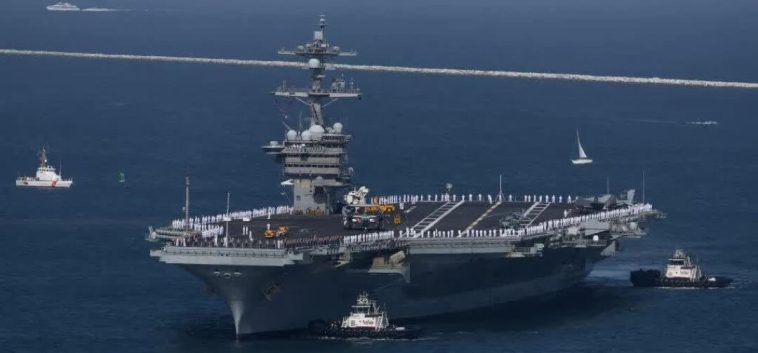
As part of the plan, the Pentagon intends to send additional Navy cruisers and destroyers capable of intercepting ballistic missiles, along with a new squadron of fighter jets. Although officials describe these measures as defensive, they represent a significant escalation in U.S. military involvement in an already tense conflict.
While the Pentagon insists that these deployments are defensive and aim to deter potential aggressors, critics argue that increasing the U.S. military presence might prolong the conflict without addressing the root causes of the violence. Some fear that such actions could inadvertently draw the U.S. deeper into the war, creating more challenges than solutions.
This situation raises questions about the potential for a broader conflict and the consequences of escalating military actions. The Middle East has long been a region of complex geopolitics, and any move that could intensify tensions must be carefully considered.
As tensions mount, the importance of diplomatic efforts cannot be overstated. Dialogue and negotiation are crucial to de-escalating the situation and finding a peaceful resolution to the conflict. The U.S. and its allies must balance military preparedness with a commitment to diplomatic solutions.
Carry 46 rounds concealed? (comfortably)
In conclusion, the Pentagon’s decision to increase military assets in the Middle East reflects a significant escalation in response to growing threats. While intended as a defensive measure, the move carries the risk of drawing the U.S. into a deeper conflict. It highlights the urgent need for diplomatic efforts to address the underlying issues and find a path to peace in the region.

