
>> Continued From the Previous Page <<
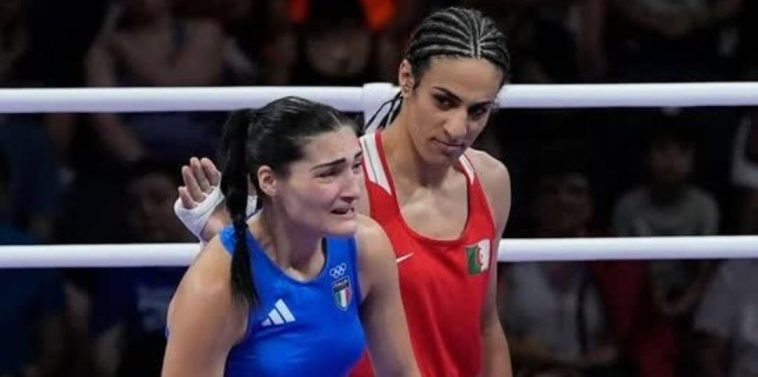
Khelif’s participation has drawn scrutiny due to past controversies regarding gender eligibility. Previously disqualified from the 2023 World Championships in New Delhi, India, Khelif failed a gender eligibility test after testing positive for high testosterone levels. Despite these findings, the International Olympic Committee (IOC) allowed Khelif to compete in the Paris Olympics, sparking further debate.
After the match, Khelif expressed gratitude, saying, “God willing, this was the first victory. God is willing me to the golden one.” His comments have been met with criticism, particularly from those who argue that Khelif’s participation poses safety risks to female athletes.

The complex issue of gender eligibility in sports was further examined by certified MD ophthalmologist and PhD research scientist Houman David Hemmati. He emphasized the importance of understanding the differences between transgender athletes and those with disorders of sexual differentiation (DSD), such as Androgen Insensitivity Syndrome (AIS) or Swyer Syndrome.
“The difference between transgender athletes and athletes with disorders of sexual differentiation (DSD) is significant,” Hemmati explained. He highlighted that athletes with DSD conditions, such as AIS, are born with atypical chromosomal, gonadal, or anatomical sex development. “Androgen Insensitivity Syndrome (AIS) is a condition where individuals have XY chromosomes but are resistant to male hormones (androgens) due to a mutation in the androgen receptor gene,” he added. These individuals often develop female anatomy despite having male chromosomes, which complicates eligibility assessments.
The controversial match has drawn reactions from notable figures and advocates. Elon Musk, owner of X, and Riley Gaines, a former NCAA champion swimmer and women’s rights advocate, have voiced their concerns. Gaines, in particular, has been outspoken, posting on social media, “Men don’t belong in women’s sports #IStandWithAngelaCarini.” Her post, featuring a photo of Carini, has garnered over 35 million views, reflecting the widespread public interest and concern over this issue.
The debate over gender eligibility in sports is far from over. The Paris Olympics have once again highlighted the need for clear and fair policies that ensure the safety and integrity of women’s sports. As the discussion continues, it remains to be seen how governing bodies will address these complex challenges to create an inclusive yet competitive environment for all athletes.
Carry 46 rounds concealed? (comfortably)
The controversy surrounding Angela Carini and Imane Khelif’s match is a microcosm of the broader debate over gender in sports. As the world watches, the outcome of this debate could have far-reaching implications for the future of women’s sports, athlete safety, and the principles of fair competition. The Paris Olympics have set the stage for ongoing discussions, with athletes, experts, and the public eagerly awaiting solutions that balance inclusivity and fairness.

