
>> Continued From the Previous Page <<
Despite the apology, many users expressed skepticism, arguing that Facebook’s errors consistently seem to disadvantage conservatives and Trump supporters. “Nope, not buying it anymore,” one user commented on X. Another added, “Funny that the ‘errors’ only ever go in one direction. Just coincidence, I guess.” The incident adds to the scrutiny Meta faces following another controversy where its new AI chatbot referred to the Trump shooting as “fictional.”
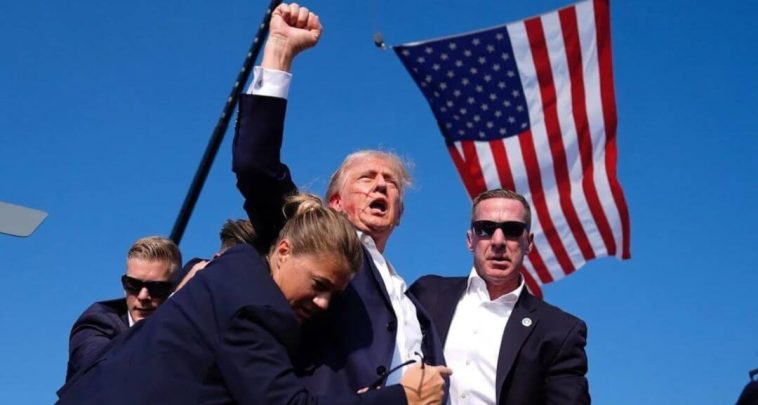
In an ironic twist, Facebook founder Mark Zuckerberg had previously praised the image of Trump pumping his fist as one of the most “badass” moments he had seen from a politician. Despite this, the social media giant is working to distance itself from political content, prompting Instagram users to “opt-in” if they want to see political content and making it harder for political campaigns to run effective ads. Investigations by the Wall Street Journal in 2021 revealed that Facebook’s algorithms promoted content that elicited angry reactions, boosting engagement but deteriorating user experience.

Earlier this year, a federal judge ruled that the Biden administration unlawfully pressured Facebook and other social media companies to censor alternative viewpoints on the pandemic, such as information on alternative therapies to vaccines or questioning mask efficacy. The judge’s ruling stated that the White House had overstepped its boundaries, limiting the First Amendment rights of conservatives. This decision was in response to lawsuits filed by Republican attorneys general who claimed that federal officials exceeded their authority by contacting companies like Twitter and Facebook to shut down accounts critical of the government’s pandemic response.
Brutal “Pocket Weapon” Stops Hearts (discounted for next 78)
However, in June, the U.S. Supreme Court reversed that ruling, siding with the Biden administration. The Court held that the administration had followed proper procedures in advising Facebook to curb the spread of posts deemed harmful to public safety. Justice Amy Coney Barrett, writing the majority opinion, noted, “The plaintiffs rely on allegations of past Government censorship as evidence that future censorship is likely. But they fail, by and large, to link their past social-media restrictions to the defendants’ communications with the platforms. Thus, the events of the past do little to help any of the plaintiffs establish standing to seek an injunction to prevent future harms.”
This latest admission by Facebook is sure to fuel ongoing debates about bias and censorship on social media platforms. The incident underscores the delicate balance these companies must strike between moderating content and respecting free speech. With conservatives continuing to voice their concerns, the scrutiny on how social media platforms handle politically sensitive content is unlikely to diminish anytime soon.

