
>> Continued From the Previous Page <<
McCracken’s findings were reported by the Belfast Telegraph, where he described Hamilton Brown as “a notorious figure and not a nice fellow.” McCracken noted Brown’s extensive involvement in the slave trade, mentioning his frequent travels to London to oppose the abolition of slavery. “I actually thought this was going to be a nice story, like [former US presidents] McKinley, Nixon, Jackson, Roosevelt, all of whom have links to Antrim, but it wasn’t,” McCracken stated. He highlighted Brown’s ownership of numerous slaves and his vigorous protests against the end of slavery.
A Reuters fact-check confirmed that Brown owned at least 124 slaves in 1817 and 121 in 1826. Although the UK abolished slavery in 1833, many former slaves remained bound to their former owners until 1838. Notably, Brown received £24,144, roughly equivalent to $3.7 million today, from the Slave Compensation Act of 1837. This act compensated former slave owners as part of the agreement to end slavery.

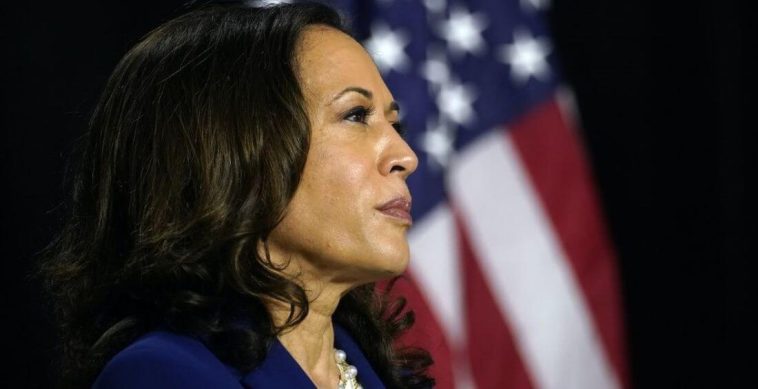
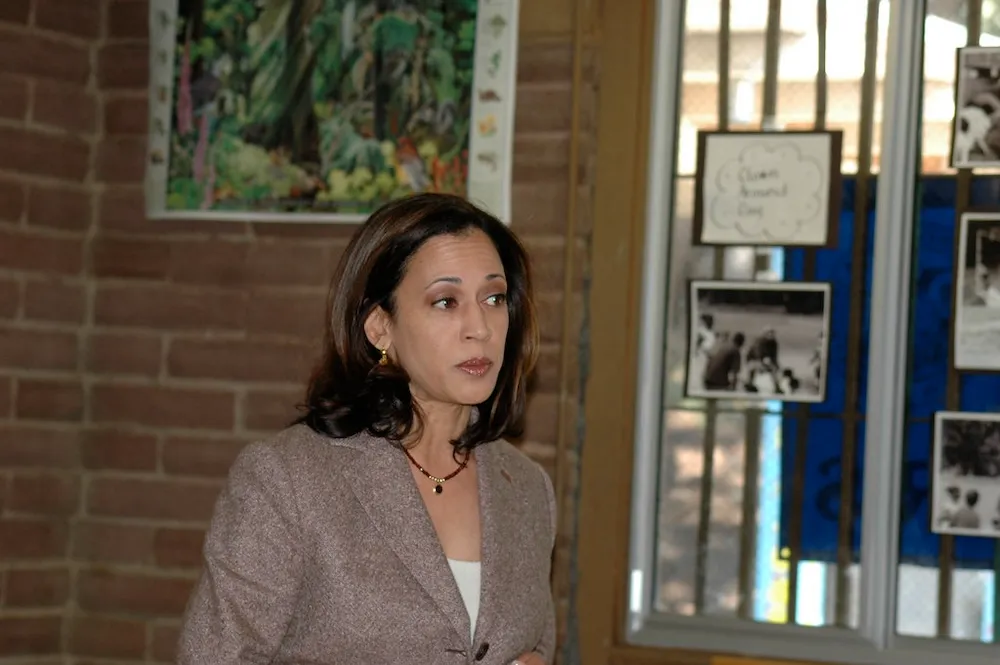
Harris’s ancestry has been a topic of discussion since her ascent to national prominence. Born in Oakland, California, to immigrant parents—her mother a breast cancer scientist from India, and her father an economics professor at Stanford University from Jamaica—Harris often speaks about the influence of her diverse heritage on her life and career. Her mixed racial and cultural background has been a source of both pride and scrutiny, viewed through various lenses.
The Belfast Telegraph also noted that many African Americans and Afro-Caribbeans have English or Irish ancestry, a legacy rooted in the widespread sexual violence perpetrated by plantation owners against their female slaves. This aspect of history adds another layer of complexity to the discussion of Harris’s lineage.
Brutal “Pocket Weapon” Stops Hearts (discounted for next 78)
While Harris’s connection to a notorious slave owner might appear to conflict with her progressive political stance, it underscores the multifaceted and often painful histories many Americans share. This revelation brings forth a critical conversation about historical accountability and the diverse legacies that shape individual identities in the United States today.
In a nation built on both the ideals of freedom and the realities of slavery, Harris’s story is a reminder of the intricate threads that weave together America’s social fabric. As the Vice President navigates her political career, this aspect of her ancestry will likely continue to be a point of reflection and discussion, highlighting the ongoing journey toward understanding and reconciliation with the past.

