
>> Continued From the Previous Page <<
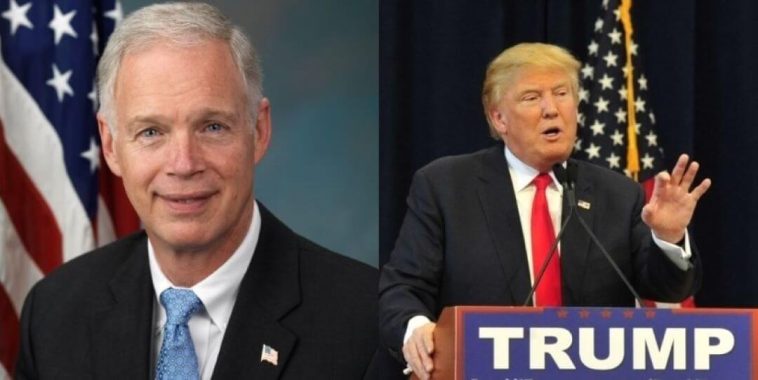
Local law enforcement has revealed troubling details, starting with the fact that the Secret Service initially had no plans to deploy snipers to the rally. Below are the key findings from Senator Johnson’s investigation:
On the morning of July 13, 2024, Butler County Emergency Services (Butler ESU) conducted a security briefing for local SWAT teams and snipers assigned to the rally. Despite the presence of teams from Washington County and Beaver County, the Secret Service did not attend this crucial briefing.

Butler ESU was responsible for assigning sniper locations, with less than 40 local SWAT operators and snipers assigned to the event. During the briefing, local law enforcement was provided with images of the security perimeter, but the American Glass Research (AGR) building—where the shooter, Thomas Matthew Crooks, was located—was not included. This omission raises questions about the coordination between Butler ESU and the Secret Service in formulating and executing the security plan.
Further complicating matters, local law enforcement reported that communications during the rally were fragmented. Different entities, including local SWAT and sniper teams, operated on separate radio channels. Communication had to be relayed through Butler ESU command, which then passed the information to the Secret Service or other local patrols. This setup potentially delayed response times and decision-making.
The timeline of events on the day of the rally paints a disturbing picture. At 5:10 pm, nearly an hour before the shooting, a local sniper (AGR sniper 1) observed the shooter, Crooks, and reported his suspicious behavior. Despite taking photos and alerting command about Crooks’ presence, it appears that no immediate action was taken by the Secret Service. The confirmation that command, including the Secret Service, was aware of the suspect yet failed to act raises significant concerns.

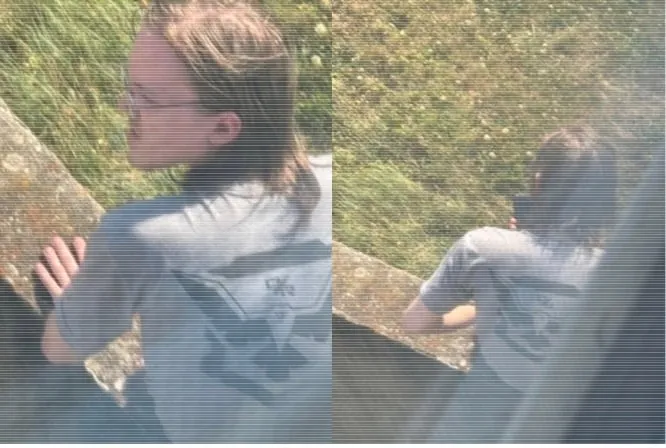
Reports confirm that a “counter sniper flagged a suspicious man using a rangefinder to the Secret Service some 20 minutes before a gunman opened fire” at the rally. This finding underscores the urgent need for answers regarding the Secret Service’s actions, or lack thereof, and why former President Trump was allowed to take the stage despite the threat.
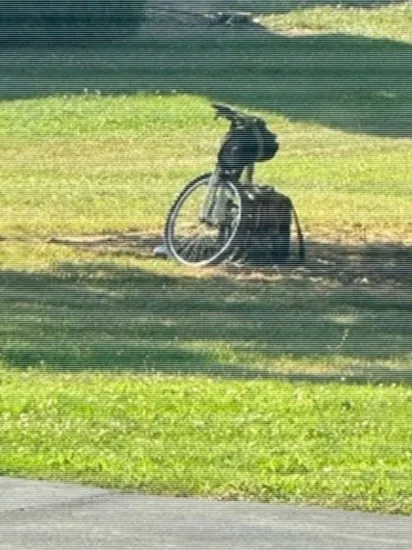
Carry 46 rounds concealed? (comfortably)
Following the shooting, the situation escalated rapidly. At approximately 6:23 pm, twelve minutes after Trump was shot, local law enforcement agents accessed the roof of the AGR building and found Crooks deceased. They discovered a suspected remote triggering device and took several photos of Crooks and his belongings, which were later sent to the Bureau of Alcohol, Tobacco, and Firearms (ATF) for facial recognition.
The presence of ATF agents raises further questions. Senator Johnson’s staff confirmed the phone number used to send the photos was associated with the ATF. However, attempts to gain more information from the ATF have been met with limited responses, leaving the extent of their involvement unclear.
Local law enforcement has also pointed out that, initially, the Secret Service was not planning to deploy snipers to the rally. They learned from Butler County law enforcement that local teams would need to compensate by going “sniper heavy.” It was only a day before the rally that the Secret Service reversed its decision and decided to send two sniper teams.
Senator Johnson’s findings highlight significant gaps and coordination failures in the security arrangements for the rally. As investigations continue, it is imperative that Congress and the public receive clear and comprehensive explanations to prevent such incidents in the future. The attempted assassination of a former President demands nothing less than full accountability and transparency from all involved agencies.

