
>> Continued From the Previous Page <<
In the wake of Crooks’ attempt on Trump, Hinckley took to social media to share his thoughts. “Violence is not the way to go,” he wrote. “Give peace a chance.” Though Hinckley did not explicitly mention Crooks, the timing and context make it clear that his message was directed at the young would-be assassin. If anyone can speak with authority on the consequences of such actions, it is Hinckley, who spent the majority of his life under various forms of custody and supervision.
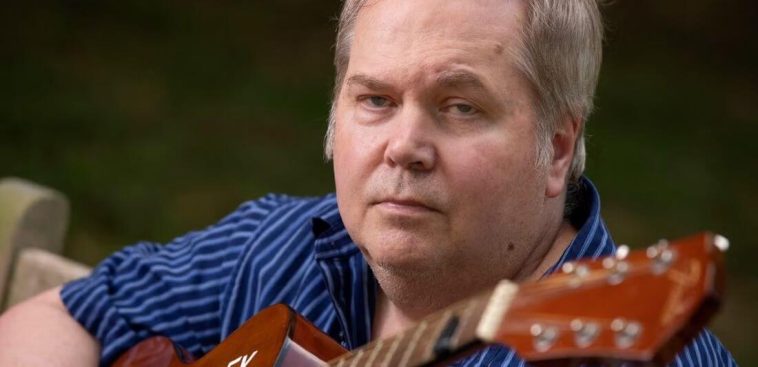
Hinckley’s life after the assassination attempt was marked by decades of confinement and gradual reintegration into society. He spent 20 years in a mental hospital before U.S. District Court Judge Paul L. Friedman allowed him more freedom in 2003. By June 2022, Friedman decided Hinckley was no longer a danger to himself or others, permitting him to live his life without restrictions. Today, Hinckley shares his passion for music on YouTube and posts about his art on social media.

Reflecting on his own experience, Hinckley’s call for peace resonates with a hard-earned wisdom. His life serves as a testament to the long-lasting repercussions of violent actions. “Give peace a chance,” he urges, a message underscored by his own history and the profound changes he underwent.
The recent attempt on Trump’s life has also reignited political tensions. The incident occurred amidst a climate of heightened rhetoric, with President Joe Biden and the Democratic Party frequently portraying Trump and his supporters as threats to democracy. In a national address from the Oval Office, Biden called for a reduction in political hostility, urging Americans to “lower the temperature.”
However, many believe it is Hinckley’s words that deserve attention in this moment. The consequences of political violence are severe, as evidenced by the near loss of Trump and the permanent loss suffered by Corey Comperatore’s family, who lost a husband and father. As political leaders call for calm, Hinckley’s message offers a unique perspective grounded in personal experience.

Brutal “Pocket Weapon” Stops Hearts (discounted for next 78)
In a time when political discourse often turns volatile, the voice of someone who has lived through the darkest outcomes of such violence can be a powerful reminder. Hinckley’s journey from an attempted assassin to an advocate for peace provides a compelling narrative of redemption and the possibility for change. His story serves as a stark warning against the path of violence and a plea for a more peaceful and constructive approach to political disagreement.
As the nation grapples with the implications of the assassination attempt on Trump, it might be wise to heed Hinckley’s words: “Give peace a chance.” His message, born out of a lifetime of reflection and consequence, underscores the importance of finding non-violent solutions in a world often fraught with conflict and division.

