
>> Continued From the Previous Page <<
The strategy includes organizing high-profile forums moderated by cultural icons such as former First Lady Michelle Obama, Oprah Winfrey, and Taylor Swift. Although these individuals have not been consulted or agreed to participate, their involvement is seen as a way to generate significant public interest and engagement in the primary process.
Following these forums, candidates would proceed to the Democratic National Convention, where delegates would use a ranked-choice voting system to select the party’s nominee. This method aims to ensure a fair and democratic selection process while avoiding the pitfalls of a prolonged primary season.

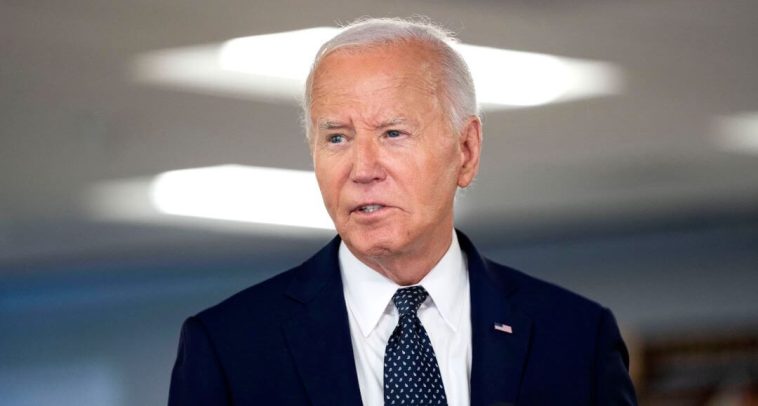
In response to inquiries about the memo, Biden’s campaign reiterated his determination to stay in the race. “I’m not letting one 90-minute debate wipe out three and a half years of work. I’m staying in the race, and I will beat Donald Trump,” Biden stated last week in Wisconsin. The campaign highlighted the surge in fundraising following the debate, with $38 million in donations as a testament to continued support.
Despite this show of confidence, Biden’s approval ratings have hit a record low, according to FiveThirtyEight’s tracker. Even traditionally supportive media outlets like CNN have begun questioning the depth of his support. This has led to internal discussions among top Democrats about the feasibility and timing of potentially asking Biden to step down.
Amidst growing concerns about his health and cognitive abilities, Biden has maintained a busy schedule to demonstrate his fitness for office. In an interview with ABC News, he attributed his poor debate performance to a combination of factors, including a bad night, poor sleep, and a cold. He declined to commit to an independent third-party cognitive test when questioned by George Stephanopoulos.
Brutal “Pocket Weapon” Stops Hearts (discounted for next 78)
“That’s why I’ve been out, testing myself, testing everywhere I go, going out and making the case. The night of that debate I was out until 2 o’clock in the morning. It drives me nuts people talking about this!” Biden exclaimed. He emphasized his determination to stay in the race, stating, “The bottom line here is that we’re not going anywhere — I am not going anywhere. I had a bad night. But the fact of the matter is — if there was something that was wrong that night, it’s not like it’s one night and it goes away. That’s why I’ve been out, I’ve been testing myself.”
As the Democratic Party grapples with internal divisions and an uncertain future, the proposed blitz primary presents both a challenge and an opportunity. The involvement of high-profile figures and a streamlined selection process could energize the base and attract widespread attention. However, the party must navigate this complex situation carefully to avoid further destabilization and ensure a unified front going into the election.
With President Biden adamant about his decision to stay in the race, the coming days will be critical in determining the Democratic Party’s path forward. Whether through a blitz primary or continued support for Biden, the party must find a way to present a strong and cohesive strategy to the American electorate.

