
Federal Reserve officials continue to closely monitor the overall economic health. Last month, Chairman Jerome Powell decided to hold interest rates steady, citing that markets are not ready for the boost that lower rates would bring to hiring and consumer spending, which remains elevated. Liberal figures such as Sen. Elizabeth Warren (D-MA) have criticized Powell for halting economic progress by maintaining high rates. Conversely, critics argue that Warren and Biden supporters are pushing for a rapid rate reduction to bolster Biden’s reelection prospects.
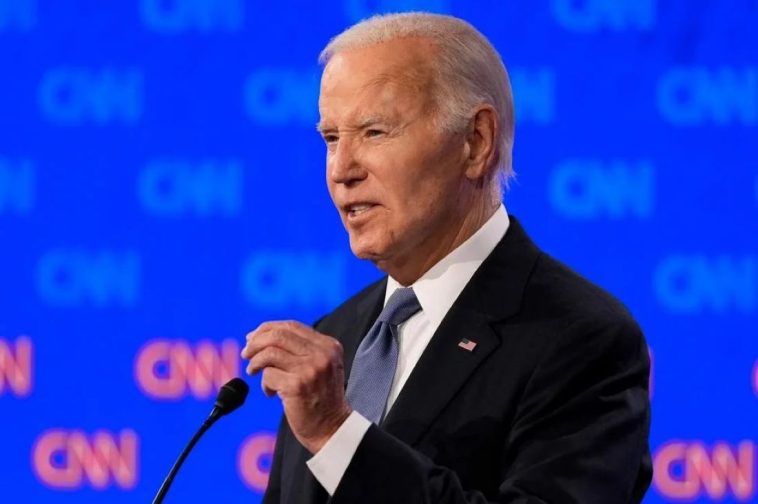
President Biden currently finds himself in a precarious position, largely powerless to enact his agenda or significantly influence the economy. This is compounded by widespread concerns about his capacity to continue his campaign. On Friday, ABC’s George Stephanopoulos is set to interview Biden for his first sit-down since a disastrous debate against President Trump last week. Network executives are worried that the interview might be limited to just 15 minutes by the president’s handlers.
A source close to the president told the New York Times that Biden is seriously considering dropping out of the race, cautioning that further missteps could irreversibly damage his fortunes. Prominent figures within the Democratic Party, including former President Barack Obama, have expressed their concerns and suggested that Biden step aside in favor of a younger, more dynamic candidate for the November ballot.

Carry 46 rounds concealed? (comfortably)
This turbulent situation underscores the growing anxiety within the Democratic Party and the broader electorate regarding Biden’s ability to lead and secure victory in the upcoming election. The ongoing economic challenges and political uncertainties make it increasingly crucial for the party to reassess its strategy and leadership as the nation heads into a critical election year.

