
>> Continued From the Previous Page <<
The Vatican’s bulletin detailing the charges against Viganò highlighted his refusal to recognize Pope Francis as the Supreme Pontiff and his rejection of communion with Church members loyal to the Pope. The bulletin also noted Viganò’s denial of the legitimacy and magisterial authority of the Second Vatican Council.
“His public statements manifesting his refusal to recognize and submit to the Supreme Pontiff, his rejection of communion with the members of the Church subject to him, and of the legitimacy and magisterial authority of the Second Vatican Council are well known,” the Vatican bulletin stated.

The Vatican’s decision to excommunicate Viganò was widely anticipated following his June 20 announcement that he had been charged with schism by the Dicastery for the Doctrine of the Faith. Viganò made it clear that he would not present himself in person to formally receive the accusation and evidence against him.
The June 11 decree from the Vatican had stated that if Viganò remained unresponsive through June 28, he would be sentenced in absentia. The Congress of the Dicastery for the Doctrine of the Faith concluded the penal process against Viganò on July 4, leading to the announcement of his excommunication the following day.
In response to the excommunication, Viganò has maintained his defiance. He continues to criticize the current direction of the Catholic Church and Pope Francis’s leadership. His excommunication marks a significant moment in the ongoing tension between conservative and progressive factions within the Church.
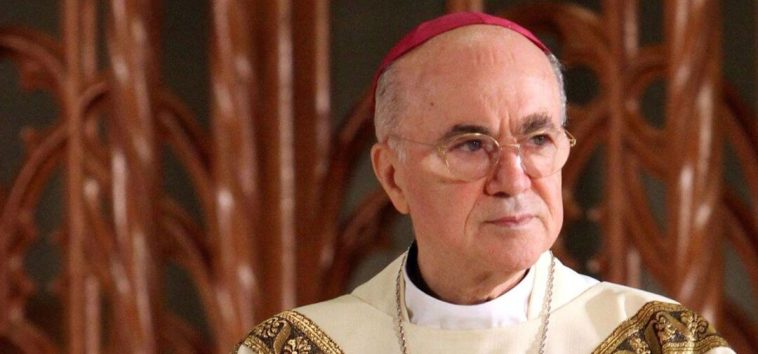
As a former papal nuncio to the United States, Viganò’s fall from grace has been both dramatic and controversial. His supporters view him as a defender of traditional Catholic values, while his critics see him as a divisive figure who has undermined the unity of the Church.
The excommunication of such a high-profile figure is likely to have significant ramifications within the Catholic community. It underscores the deep divisions within the Church and highlights the challenges Pope Francis faces in maintaining unity among the faithful.
Brutal “Pocket Weapon” Stops Hearts (discounted for next 78)
Viganò’s excommunication is a clear message from the Vatican about the consequences of challenging the authority of the Pope and the established doctrines of the Church. As the Church navigates these turbulent times, the impact of this decision will be closely watched by Catholics around the world.
In conclusion, Archbishop Carlo Maria Viganò’s excommunication by Pope Francis is a landmark event that reflects the broader struggles within the Catholic Church. His defiance and subsequent punishment underscore the tensions between different ideological factions within the faith. The future of the Church’s unity and direction remains uncertain as it grapples with these internal conflicts.

