
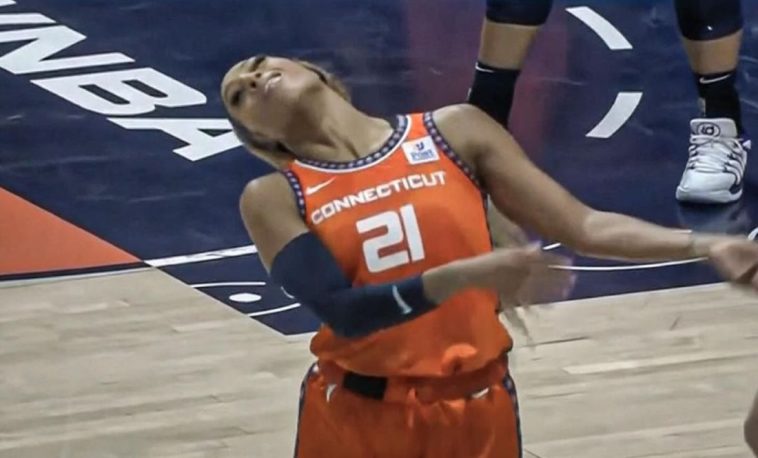
In a dramatic display within the WNBA, Connecticut Sun guard DiJonai Carrington accused Indiana Fever guard Caitlin Clark of complacency in the misuse of her name in discussions that allegedly fuel racism and homophobia. Carrington’s impassioned comments on social media platform X called out the silence on issues affecting marginalized communities within the league. “Dawg. How one can not be bothered by their name being used to justify racism, bigotry, misogyny, xenophobia, homophobia & the intersectionalities of them all is nuts,” Carrington stated, highlighting the weight of responsibility carried by public figures.
This controversy flared shortly after Clark, focusing solely on her professional role, expressed her desire to stay clear of political and cultural conflicts, emphasizing her commitment to basketball amid the ongoing discourse. The debate escalated when Carrigan faced backlash from fans, which seemed to deepen her resolve to speak out.
Grab Your Limited Edition Trump Sequel Hat for FREE – Only for Patriotic Americans!

Further stirring the pot, journalists from The Athletic, owned by the left-leaning New York Times, posed probing questions to Clark, attempting to draw her into the contentious dialogue. Despite these efforts, Clark maintained her stance of detachment from the controversies, reiterating her focus on basketball and disinterest in external narratives. “It’s not something I can control, so I don’t put too much thought and time into thinking about things like that,” Clark responded, downplaying the impact of the media frenzy on her professional life.
In another interaction, The Athletic’s James Boyd directly questioned Clark on her feelings about her name being associated with discriminatory agendas. Clark responded firmly, condemning the misuse of her identity to propagate divisive issues. “I think it’s disappointing,” she remarked, advocating for universal respect within the sports community and rejecting any efforts to leverage her identity for controversial purposes.
Amidst these exchanges, sports commentator Jason Whitlock criticized the perceived manipulation of the situation, questioning the authenticity of claims that Clark’s name was being used to promote discriminatory behaviors. Whitlock suggested that the narrative was contrived, aimed at positioning Clark as a victim of racism and homophobia, thereby manipulating public perception.


