
>> Continued From the Previous Page <<
Senior officials within the Biden administration acknowledge the ongoing challenge posed by these migrants, especially from countries like China, Uzbekistan, Mauritania, and Senegal, which are considered difficult to repatriate migrants to. The administration’s response includes collaborations with international governments to improve repatriation processes.
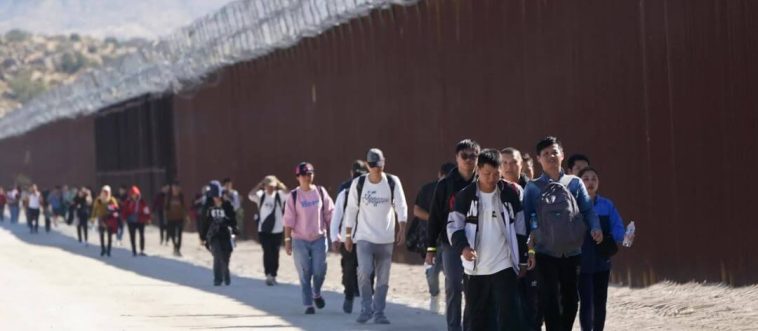
Despite the overarching directive to admit more migrants, there remains a specific list of six countries, including Georgia and Russia, from which migrants will be promptly removed. This policy has led to a complex situation at the border, particularly in San Diego, where agents have been given the discretion to adjust their enforcement strategies based on the demographics they encounter.

Local border patrol agents in San Diego have expressed their intentions to continue deportations across all nationalities, suggesting a potential disconnect between the administration’s directives and on-ground enforcement actions. This disparity is highlighted by recent efforts from the Department of Homeland Security, which executed 36 deportation flights last week, mostly targeting Eastern Hemisphere countries.
The official stance for migrants from Western Hemisphere countries such as those from South America, Central America, and the Caribbean, remains more lenient, with these individuals being integrated into the U.S. court system. However, families from specific nations like Mexico, Colombia, and several others may face removal under the current policies.
In contrast, migrants from nations including Cuba, El Salvador, and Venezuela are facing outright bans. This mixed approach has sparked significant debate and appears to reflect a broader administration strategy to address immigration issues in the face of upcoming elections.
Get Your FREE Trump 2024 Election Shirt – We’re Shipping It Right to You!
Recent headlines from major publications like The New York Times and The Washington Post have criticized the administration’s handling of immigration, suggesting a strategic repositioning as elections draw near. These critiques align with broader concerns about the administration’s ability to maintain consistent and coherent immigration policies amidst political pressures.
The unfolding situation presents a complex tableau of shifting policies, enforcement discretion, and political maneuvering, raising questions about the overall coherence of the U.S. immigration strategy as the nation heads toward an election cycle. The administration’s recent actions seem to oscillate between restrictive measures and more open admissions, underscoring a potentially strategic, yet confusing, approach to managing one of America’s most contentious issues.

