
>> Continued From the Previous Page <<
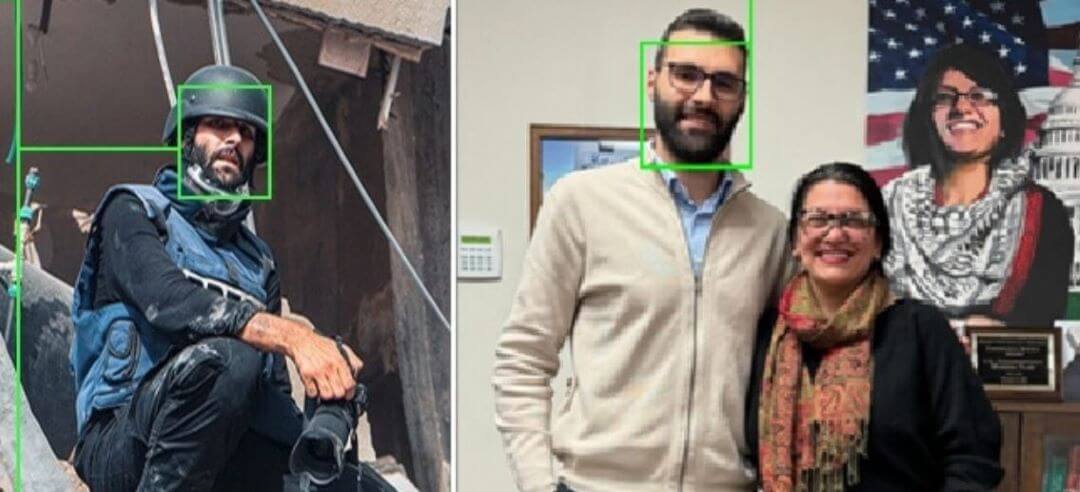
However, not all view Azaiza’s coverage as purely journalistic. Criticisms have surfaced regarding the framing of his reports, with some commentators suggesting that his work serves as propaganda for Palestinian perspectives. This controversy was further fueled when CNN celebrated his work, even as campuses across the U.S. erupted in anti-Israel protests.
Azaiza himself has expressed frustration with the international community’s lack of response to the suffering depicted in his photographs. In a candid interview with CNN, he lamented, “Nothing changed. You didn’t change anything,” revealing a profound dismay at the apparent indifference to Gaza’s agony.

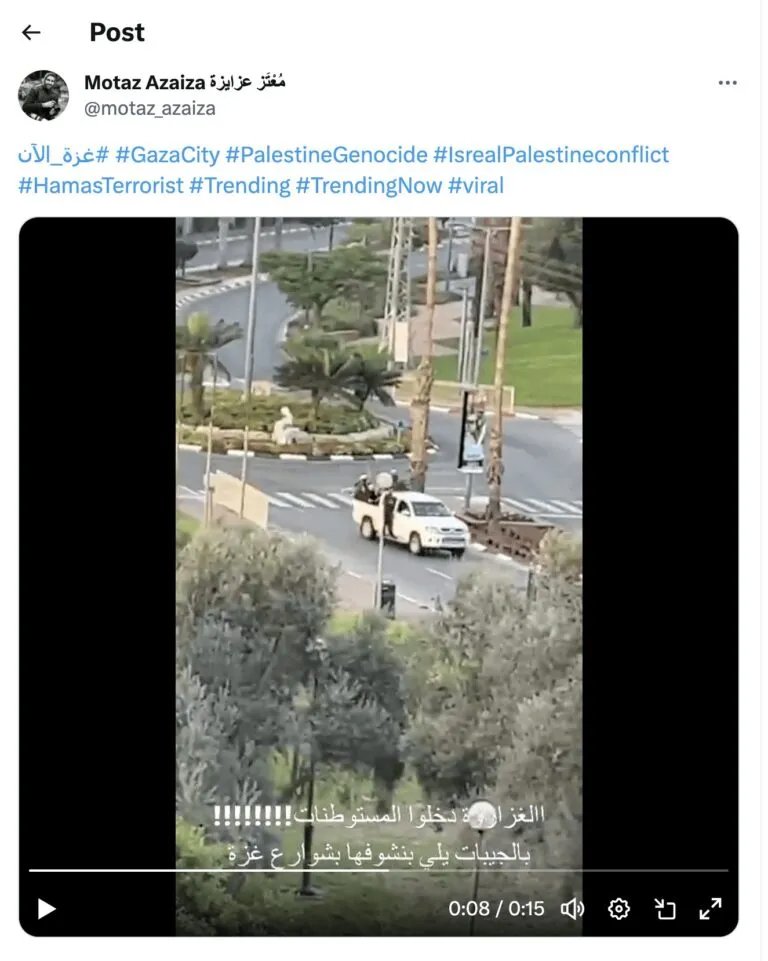
Before the escalation in October, Azaiza was a relatively unknown travel photographer with a modest following. Now, he commands the attention of over 19 million followers on Instagram, with some of his content being viewed upwards of 70 million times. This dramatic shift highlights the power of social media to amplify voices from conflict zones, providing an unfiltered look into the horrors of war.
Yet, as Azaiza’s prominence grows, so do the suspicions about his connections and the authenticity of his narrative. His quick escape from Gaza, access to advanced technology and resources, and subsequent international travels have raised eyebrows. Questions linger about his ties to Hamas and the nature of his funding, especially given the luxurious circumstances he seems to enjoy compared to the deprivation faced by many in Gaza.
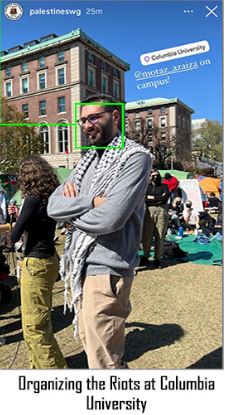
Moreover, Azaiza’s involvement in U.S. campus protests and the selective editing of his social media posts have added layers of complexity to his character. Is he merely a dedicated journalist, or is there more to his story that meets the eye?

ALERT! Major Water Restrictions In Effect!
As we continue to watch the unfolding of Azaiza’s saga, one thing remains clear: in the realm of modern warfare, the lines between journalism, activism, and propaganda are increasingly blurred. Motaz Azaiza is at once a symbol of journalistic bravery and a contentious figure in the narrative of Middle Eastern politics. His story is a stark reminder of the power of the lens and the pen in shaping not just public opinion, but also the course of conflicts.


