
>> Continued From the Previous Page <<
This type of interaction, however, contravenes the New York State Rules of Judicial Conduct, which strictly prohibit discussions about ongoing cases without all involved parties present. The rules are designed to uphold the fairness and impartiality of judicial proceedings.
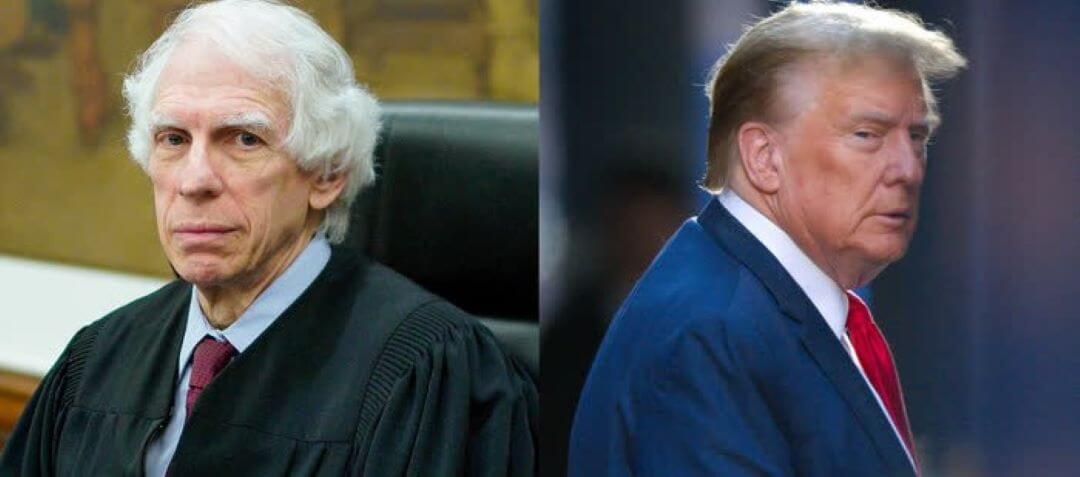
Despite Bailey’s assertion of the conversation’s intent, a spokesman for Judge Engoron countered these claims, asserting that no such ex parte communication influenced the judge’s decision. The ruling, according to the spokesman, was the culmination of thorough consideration and solely the work of Justice Engoron.

The ethical guidelines in question clearly state that judges must avoid any ex parte communications—private discussions concerning a case without all parties’ knowledge. This rule is crucial to maintaining the integrity and transparency of the judiciary.
Further complicating matters, the repercussions of Judge Engoron’s ruling continue to ripple. In March, a New York appeals court judge reduced the bond Trump was required to pay to appeal the decision, indicating ongoing legal battles and scrutiny of the initial ruling’s foundations.
Trump’s legal team remains adamant about challenging the interpretation of fraud that underpinned Engoron’s decision. Chris Kise, Trump’s lead attorney, criticized the efforts by New York Attorney General Letitia James and Judge Engoron as an attempt to expel Trump from New York business circles, deeming it a “sad day for the city.”
ALERT! Major Water Restrictions In Effect!
As the legal saga unfolds, the implications extend beyond the courtroom. The case not only questions the application of fraud laws but also the conduct of those who wield the gavel. With the judicial conduct commission’s strict confidentiality, the public may have to wait for further developments to fully understand the implications of these alleged judicial missteps.

