
>> Continued From the Previous Page <<
The New York Times offered insights into the negotiations’ dynamics, suggesting that Hamas’s acceptance was more of a counteroffer rather than an outright agreement to the initial proposal backed by both the United States and Israel. This nuanced stance was not received as an acceptable solution but indicated some progress in the talks.
Israeli officials expressed a sentiment of betrayal, as reported by Axios, with accusations that the U.S. and the mediators had crafted a new agreement without adequate transparency. “It looked like a whole new proposal,” one official remarked, pointing to significant changes from previously agreed terms.

A senior U.S. official defended their position to Axios, denying any deceit and asserting that American diplomats maintained close communication with their Israeli counterparts, ensuring there were no surprises in the negotiation process. The official described the negotiations as complex, involving intermediaries in both Doha and Cairo.
The crux of Israel’s concern, as detailed by Axios, revolves around assurances purportedly given to Hamas by the Biden administration, suggesting a direct correlation between a hostage release deal and the cessation of the war—a linkage Israel vehemently opposes.
Adding to the complexity, Hamas’s chief negotiator, Khalil al-Haia, was quoted by Al Jazeera asserting that the U.S. had committed to ensuring full implementation of any hostage deal—a claim that contradicts Israel’s stance on separating the deal from the broader war’s conclusion.
Further complicating matters, Israeli officials have labeled the Hamas announcement as a mere tactical maneuver to present themselves as open to negotiation while casting Israel in a negative light for potentially rejecting the ceasefire.
ALERT! Major Water Restrictions In Effect!
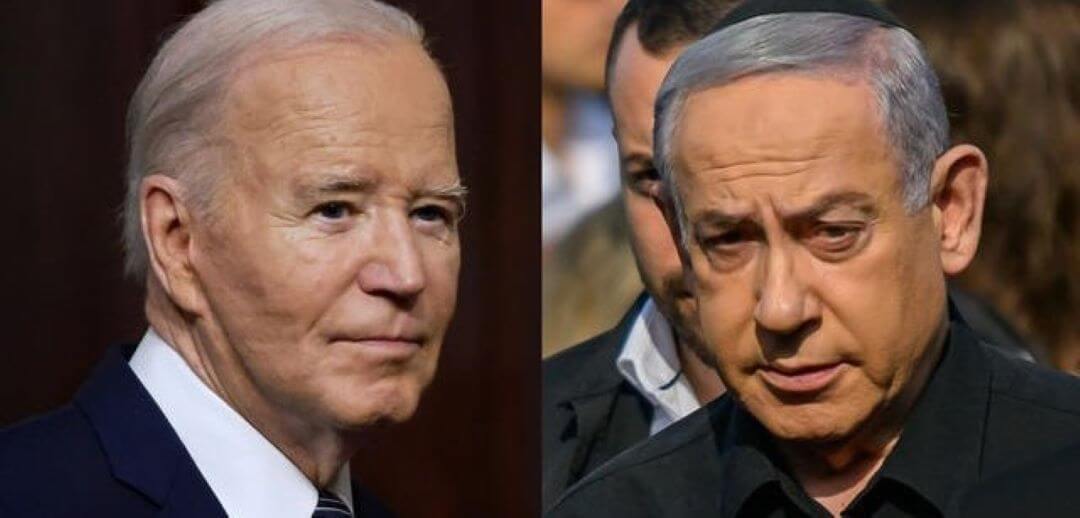
Amid these tensions, President Biden reportedly contacted Israeli Prime Minister Benjamin Netanyahu to caution against escalating military actions in Rafah, as reported by Fox News. This call came shortly after a deadly mortar strike from Rafah killed four Israeli soldiers, intensifying the urgency for a resolution.
Israeli Defense Minister Yoav Gallant, in discussions with U.S. Secretary of Defense Lloyd Austin, articulated that the attack from Rafah left Israel with no alternative but to proceed with their military strategy, emphasizing the fraught nature of the situation and the challenges inherent in navigating these high-stakes diplomatic waters.
This episode underscores the intricate and often strained relationships between international diplomacy, military strategy, and the quest for peace in a region long troubled by conflict.

