
>> Continued From the Previous Page <<
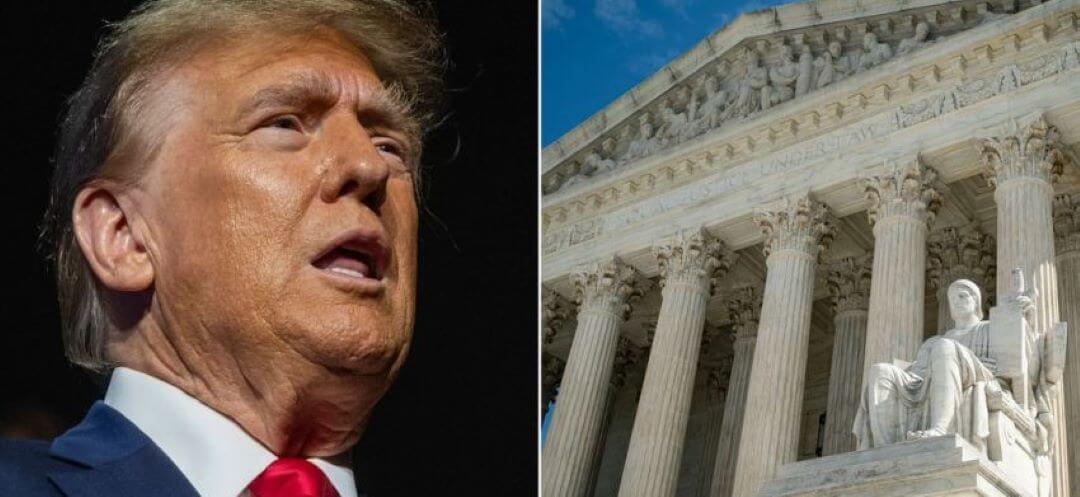
During the Supreme Court’s oral arguments on April 25th, the justices grappled with this complex issue, with a ruling expected by early July. Attorney Thor Hearne, representing the Constitutional Coalition, critiqued the Biden administration’s handling of the case, emphasizing the unprecedented nature of the arguments and the subpar quality of the opposing counsel’s submissions.
Hearne expressed surprise at the lower-than-expected quality of briefs from Special Counsel Jack Smith, noting that they did not meet the high standards typically seen from the Solicitor General’s office. He remarked, “During my thirty-year career I have had the opportunity to argue before the Supreme Court and I have represented hundreds of amici parties, including the leadership of the United States House and Senate in matters before the Court. In most Supreme Court cases the Solicitor General represents the United States. Irrespective of whether it be the Clinton, Bush, Obama, Trump, or Biden Administration, I have found that the written briefs and argument by the Solicitor General and the counsel in the Solicitor General’s office is of a very high quality.”

The court’s decision is eagerly anticipated, with Chief Justice Roberts likely to author the majority opinion. The expected ruling may not grant absolute immunity but will likely distinguish between “official acts,” like national security decisions, and “private acts,” which are personal in nature.
Justice Thomas, known for his textualist and originalist approach, is expected to highlight the constitutional foundations of presidential immunity in his opinion, likely supporting a nuanced understanding of the doctrine.
ALERT! Major Water Restrictions In Effect!
As the Supreme Court navigates this historic case, the outcome will undoubtedly have profound implications for the presidency and the overall dynamics of American governance. The decision will set a precedent that could either reinforce the president’s ability to act without fear of partisan retribution or open the door to legal challenges against presidential actions, fundamentally altering the landscape of U.S. presidential power.

