
“Our primary focus is on our Sailor’s health and well-being,” Cmdr. Bollinger emphasized, reflecting the Navy’s commitment to the recovery of its personnel.
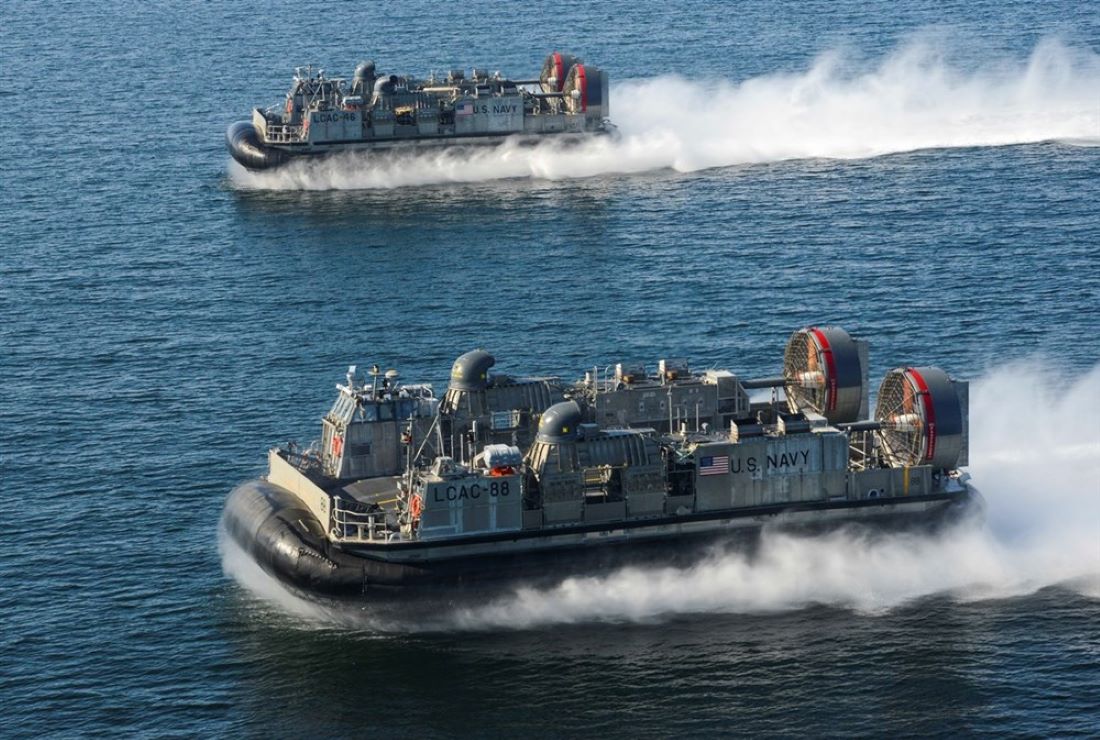
The accident occurred while the vessels were participating in the Wasp Amphibious Ready Group / Marine Expeditionary Unit 24 composite training unit exercise, an essential component of their readiness activities. The LCACs are crucial for such exercises; these high-speed, over-the-beach amphibious landing hovercrafts are capable of carrying up to 75 tons. According to Navy sources, LCACs can transport heavy equipment, including M-1 tanks, rapidly over water and land, offering significant strategic advantages.
The LCAC is particularly valued for its ability to access vast stretches of coastline—over 70% of the world’s coastlines are reachable thanks to its air cushion technology, compared to just 15% that conventional landing craft can access.

ALERT! Major Water Restrictions In Effect!
This incident brings to light the inherent risks of conducting high-intensity, realistic training exercises essential for maintaining the operational readiness of the U.S. Navy and Marine Corps. As investigations continue, the focus remains on learning from this mishap to prevent future accidents and ensuring the safety and preparedness of all personnel involved in such critical training operations.

