
>> Continued From the Previous Page <<
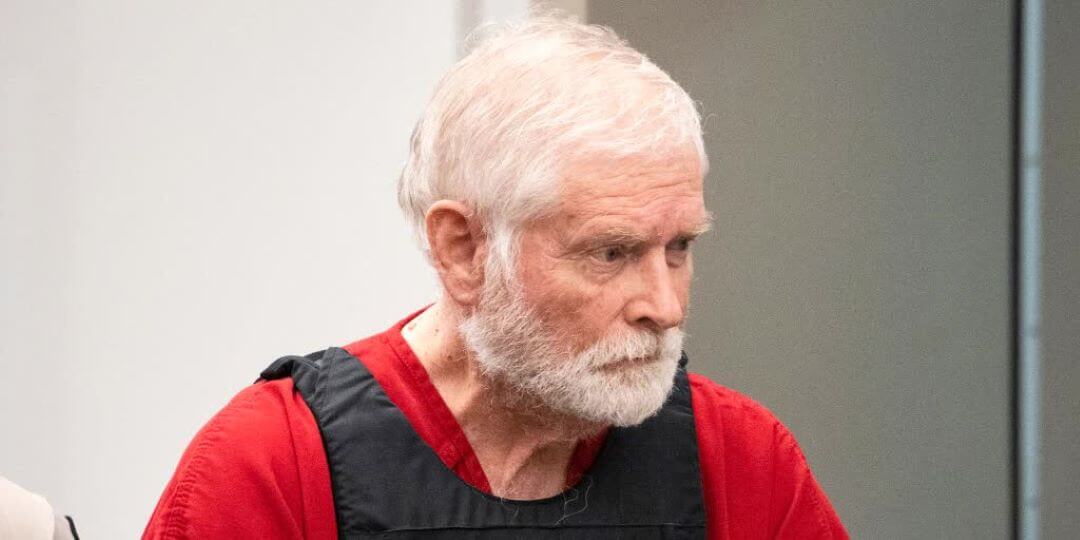
The rancher’s legal team, led by attorney Brenna Larkin, expressed relief following the dismissal of charges. Larkin highlighted the extensive emotional and psychological toll the case has had on Kelly and his wife, emphasizing the resolution brought by the court’s decision. However, the Mexican government’s involvement, signaled by statements from the Mexican Consul General in Nogales, Marcos Moreno Baez, suggests that the case is far from closed.
Consul General Baez criticized the court’s decision and hinted at exploring civil litigation avenues with Cuen-Buitimea’s family. This move has sparked a dialogue about the appropriateness of foreign government involvement in U.S. judicial processes, especially in cases involving its nationals.

Larkin condemned the Mexican government’s actions, questioning their intent and the precedent it sets for future bilateral legal interactions. She pointed to the broader implications of such interference, contrasting it with the typically minimal involvement of Mexican officials in other cases involving their nationals.
The broader narrative touches on a simmering issue of border security and immigration policy discrepancies between the U.S. and Mexico. Critics argue that if Mexico managed its border issues more effectively, incidents like these might be mitigated. Moreover, the incident underscores the complex dynamics of border enforcement and the legal ramifications for property owners in border states.
In stark contrast to the reaction from Mexican officials, if the roles were reversed—a U.S. citizen shot in Mexico under similar circumstances—the response from Mexican authorities would likely be swift and severe. This perceived double standard has not gone unnoticed, with calls for more balanced diplomatic responses to such incidents.
ALERT! Major Water Restrictions In Effect!
The unfolding scenario raises important questions about jurisdiction, international law, and the rights of property owners versus the responsibilities of governments in managing their nationals abroad. As the case develops, it remains a poignant reminder of the ongoing challenges at the U.S.-Mexico border, intertwined with individual rights and international relations.

