
>> Continued From the Previous Page <<
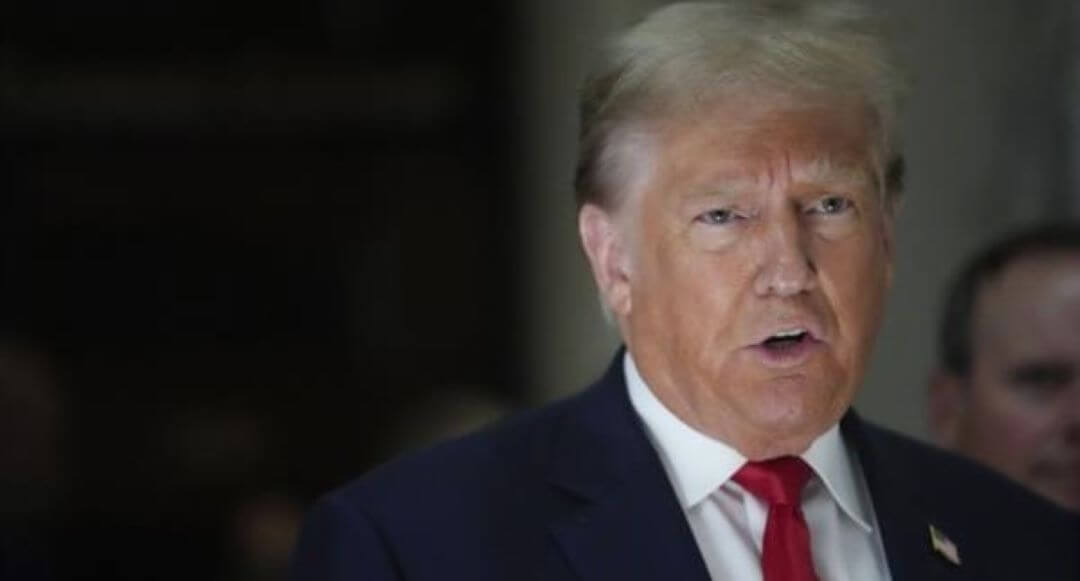
The former president clarified his stance on deploying the U.S. military against what he refers to ambiguously as ‘not civilians,’ hinting at a robust strategy for handling national unrest under his leadership.
Throughout the interview, Trump unveiled a vision for a second term characterized by forceful legal and security policies, aiming to staunchly protect his positions and reevaluate the legal frameworks related to incidents like the January 6 breach.

Addressing the fate of those prosecuted for their involvement on January 6, Trump referred to them as “hostages” and “political prisoners,” underscoring a commitment to pardon them. He criticized the existing judicial outcomes, labeling the justice system as deeply unequal. “It’s a two-tier system,” Trump asserted, contrasting the harsh penalties faced by January 6 defendants with leniency elsewhere, such as in Portland and Minneapolis during similar disturbances.
When asked if he would pardon all involved, Trump confirmed, “I would consider that, yes.” He elaborated that he would assess cases individually, especially distinguishing those he sees as misguided from genuinely malicious actors. “If somebody was evil and bad, I would look at that differently. But many of those people went in, many of those people were ushered in. You see it on tape, the police are ushering them in. They’re walking with the police,” he explained.
Trump’s statements resonate with a significant portion of his base, who view the January 6 legal actions as politically motivated persecutions. His firm stance on these issues suggests that, if returned to office, Trump’s agenda would prominently feature rectifying what he sees as grave injustices within America’s legal and political arenas.
ALERT! Major Water Restrictions In Effect!
Through his commitment to overhaul perceived inequities and his readiness to employ the military in domestic issues, Trump’s narrative continues to stir substantial dialogue and debate across the political spectrum, highlighting deep divisions and the potential for significant policy shifts in the future.

