
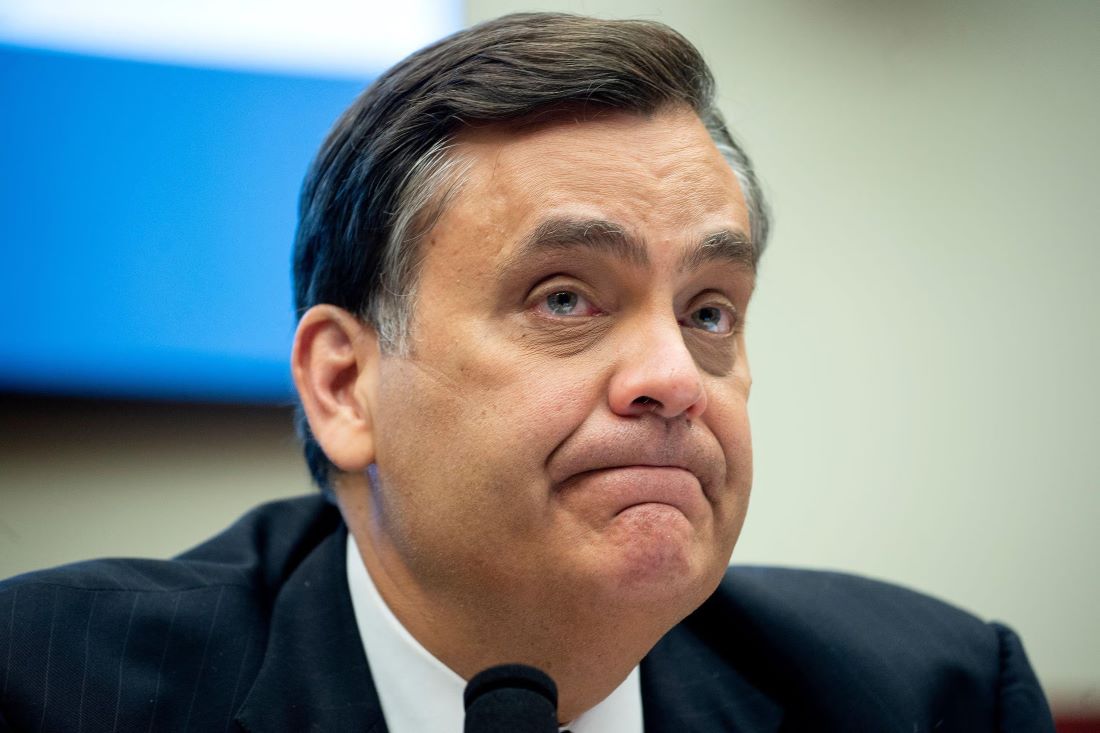
The justices just need to glance north to New York City to get a sense of what would happen if they decided to grant no immunity. The leading presidential candidate has been silenced and is unable to campaign as a result of the legally nonsensical continuous prosecution of Trump, he continues.
Though the boundary is still, at best, hazy, Turley and other legal watchers think the Supreme Court seems willing to try to find a middle ground between catch-all prosecution and blanket immunity.
“Should President Barack Obama face legal consequences for directing the demise of a civilian via drone strike and subsequently taking his son’s life in another drone attack?” Turley queries.

The questioning on Thursday clearly hinted at speculation regarding the guilt of previous presidents.
“What about President Franklin D. Roosevelt’s decision to intern Japanese Americans during World War II? Could [he] in fact have been charged under 18 U.S.C. 241 conspiracy against civil rights today?” Justice Samuel Alito posed the question to U.S. attorney Michael Dreeben.
If racial internment took place domestically today, Dreeben said, “Yes, considering this court’s ruling in… Trump v. Hawaii.”
Justice Jackson further questioned why former President Richard Nixon was pardoned for alleged crimes committed while in office, if immunity is granted.
“What was going on with President Nixon’s pardon? What was the point, in my opinion, if everyone believed that presidents couldn’t be charged with anything? She questioned D. John Sauer, the defense attorney.
He answered, “Well, at the time, he was being investigated for both private and public conduct.”
The court could overturn both of the federal trials against Trump and postpone any decision until well after the November election if it decides—as is expected—that additional proceedings by a lower court are necessary.

