
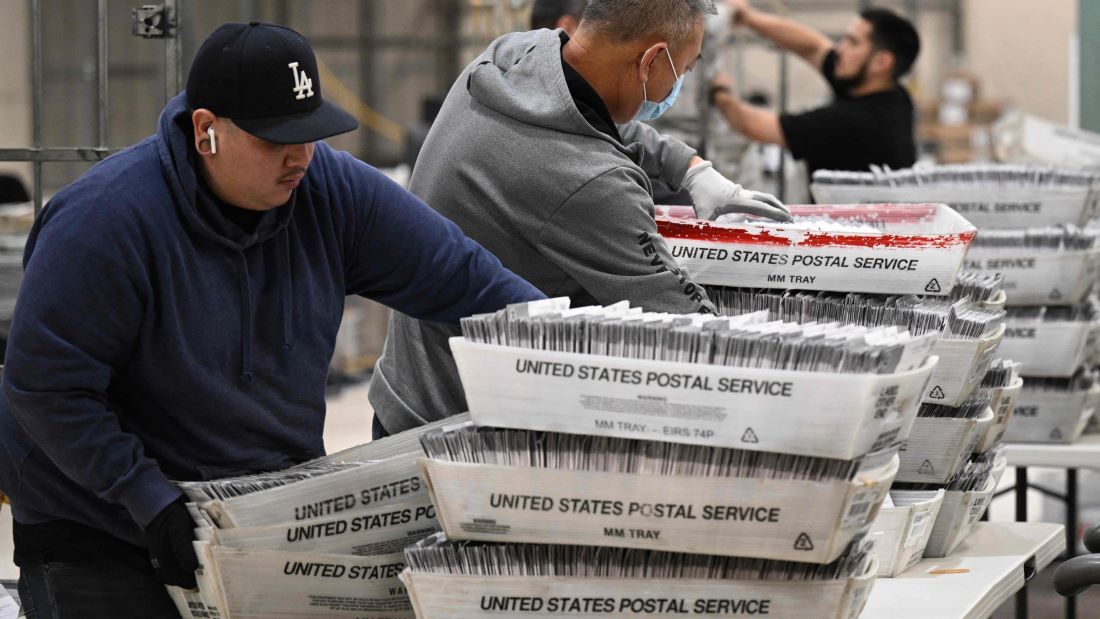
Conversely, the 5th U.S. Circuit Court of Appeals in New Orleans previously ruled that the Texas legislation was lawful, stating that facilitating voting for some does not inherently impede others. Moreover, the court opined that the right to vote enshrined by the 26th Amendment did not necessarily include mail-in voting.
Texas defends its policy by arguing that broader mail-in voting could compromise electoral integrity, though it acknowledges the practical challenges faced by older voters. The state maintains that its measures are designed to safeguard the voting process while accommodating those most likely to face difficulties in voting in person.
These restrictions are contentious, especially given the logistical challenges younger voters often encounter, such as transportation issues, long working hours, and less flexible schedules, which can make in-person voting particularly burdensome.

The implications of this ruling are significant as the nation heads towards another presidential election, highlighting ongoing debates over mail-in voting and electoral integrity. This decision has set a precedent that may influence how states can regulate voting rights based on age, potentially impacting voter turnout and engagement across the country.
ALERT! Major Water Restrictions In Effect!
As the legal battles over electoral laws continue, the Supreme Court’s stance serves as a crucial benchmark for future cases regarding voting rights and age discrimination. This ruling underscores the complexity of balancing electoral integrity with the need to ensure broad voter access and participation.

