
>> Continued From the Previous Page <<
Facebook’s algorithms during this period also targeted pages of presidential candidates like Rand Paul and Bernie Sanders. The 2018 elections saw further suppression, including the removal of ads from candidates such as U.S. Rep. Marsha Blackburn and Michigan Senate candidate Aric Nesbitt. Even a promotional ad for an AR-15 giveaway by Senate candidate Austin Petersen was censored.
The 2020 elections witnessed an unprecedented surge in censorship, where Facebook removed multiple posts and ads from then-President Donald Trump and other right-wing political ads. One notable ad campaign was terminated a month before the election, which highlighted discrepancies between Democratic COVID-19 policies and border control stances.

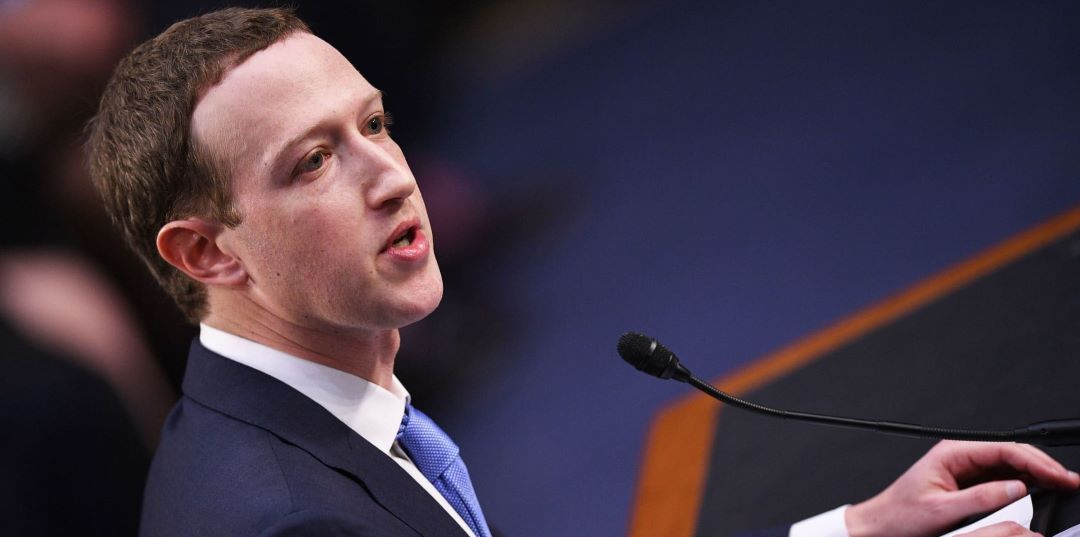
Additionally, the platform’s censorship peaked with the suppression of the Hunter Biden laptop story by the New York Post. Mark Zuckerberg later disclosed in an interview with Joe Rogan that the FBI had warned Facebook of a potential dump of information reminiscent of Russian propaganda from the 2016 election, leading to heightened vigilance on the platform.
The suppression continued into 2022, affecting conservative candidates like Rich McCormick and Kari Lake, whose Instagram account was suspended for posting a sign that read “Arizona for Arizonans.”
ALERT! Major Water Restrictions In Effect!
Looking ahead to the 2024 elections, Facebook, now under the umbrella of Meta, announced a policy change on Instagram and Threads. The platforms will no longer recommend political content by default, potentially hindering the reach of political content creators. While this policy might appear benign, the Media Research Center warns it could significantly impact the visibility of political content and restrict public discourse.
The ongoing censorship of figures like presidential candidate Robert F. Kennedy Jr. underscores a continued pattern. As we approach another critical electoral juncture, the actions of social media giants like Facebook remain under scrutiny, highlighting the complex interplay between technology, politics, and free speech.

