
>> Continued From the Previous Page <<
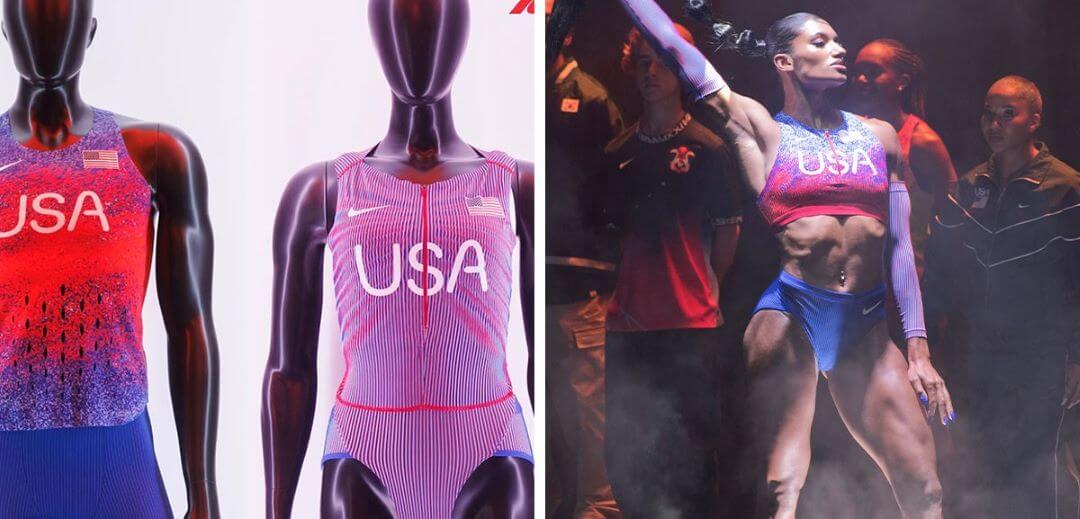
Critics have been vocal on social media, with comments such as those from Heather Lane who emphatically stated Olympic runners should be seen as “runners, not strippers.” Similarly, social media user MaureenWRC expressed concerns about the practicality of the uniforms, questioning their similarity to men’s attire and potential for wardrobe malfunctions.
Janett Nichol defended the designs, claiming they were crafted using athletes’ insights and precise data to achieve unparalleled specificity and accuracy. Yet, skepticism remains high among professionals in the field. Running coaches Katherine Wuestenfeld and Alison Staples expressed doubts, particularly around the appropriateness of the attire, with Staples noting the potential exposure issues even on stationary mannequins.

Adding to the controversy, Olympic long jumper Tara Davis-Woodhall and two-time U.S. 5,000-meter champion Lauren Fleshman raised concerns about the uniforms. Davis-Woodhall worried openly about exposure during competition, while Fleshman criticized the outfits for perpetuating a double standard and objectifying female athletes, calling them a “costume born of patriarchal forces.”
Linda Flanagan echoed these sentiments, labeling the uniforms “outrageous” and voicing concerns about their potential influence on younger athletes in schools.
Amidst the backlash, gold medalist pole vaulter Katie Moon offered a different perspective. In her statement on social media platform X, she acknowledged the concerns raised but highlighted the autonomy athletes have in choosing their competition attire. She argued that the criticism of the uniforms as “sexist” overlooks the agency of female athletes to choose what they feel most comfortable and confident wearing, emphasizing that their choices are aimed at optimal performance rather than appeasing spectators.
Moon personally endorsed the design, citing its practical benefits in terms of comfort and performance: “I personally like the buns because I want as little fabric clinging to me when I’m hot and sweaty, which I am at 99% of meets I compete in.”
ALERT! Major Water Restrictions In Effect!
The debate around the new Olympic uniforms underscores a broader discussion about the representation and treatment of female athletes in sports. While Nike aimed to innovate, the controversy reveals a significant divide in how such innovations are perceived and the broader implications for women in sports.

