
>> Continued From the Previous Page <<
However, Crockett acknowledged the complexities and potential challenges of implementing a tax exemption policy specifically for African Americans. She recognized that such a scheme might not benefit those in lower income brackets who already pay minimal or no taxes. The conversation took a light-hearted turn when Carter mentioned the stimulus checks distributed during the COVID-19 pandemic, suggesting that direct financial assistance might be more immediately beneficial to those in need.
WATCH:

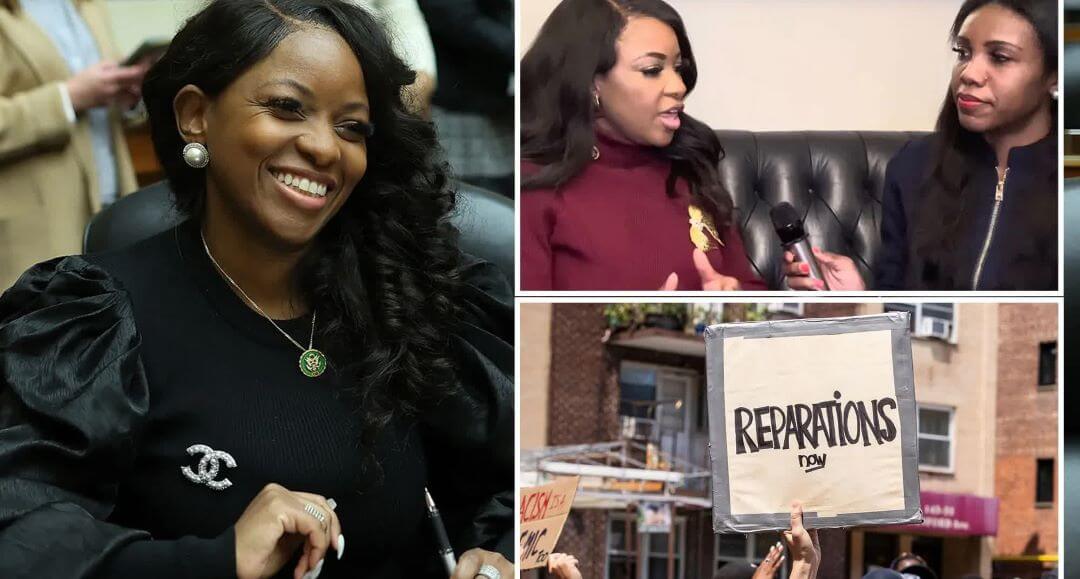
Transcribed from their discussion, Crockett reflected on the broader implications of reparations, considering various methods to address economic inequalities. She pointed out the difficulty in devising a fair and effective system, especially when considering different income levels and the historical context of slavery and ongoing racial injustice. The conversation revealed a deep-seated concern for rectifying the economic disparities that disproportionately affect African Americans, proposing an innovative, yet controversial, solution to a centuries-old problem.
ALERT! Major Water Restrictions In Effect!
Rep. Crockett’s proposal has undoubtedly stirred a significant conversation about reparations, racial equity, and the means by which America can reconcile with its past. While the idea of a tax exemption for African Americans as reparations is met with mixed reactions, it opens the door for further dialogue and exploration of ways to achieve justice and equality for all citizens. As the nation grapples with these complex issues, Crockett’s input highlights the ongoing debate about the most effective and equitable paths to healing and restitution.


I go alone with that so long as they would no be able to get food stamps, welfare, food stamps or disability income, ssi, housing allowance, or any other federally funded benefits. Frank Bowers, TX.