
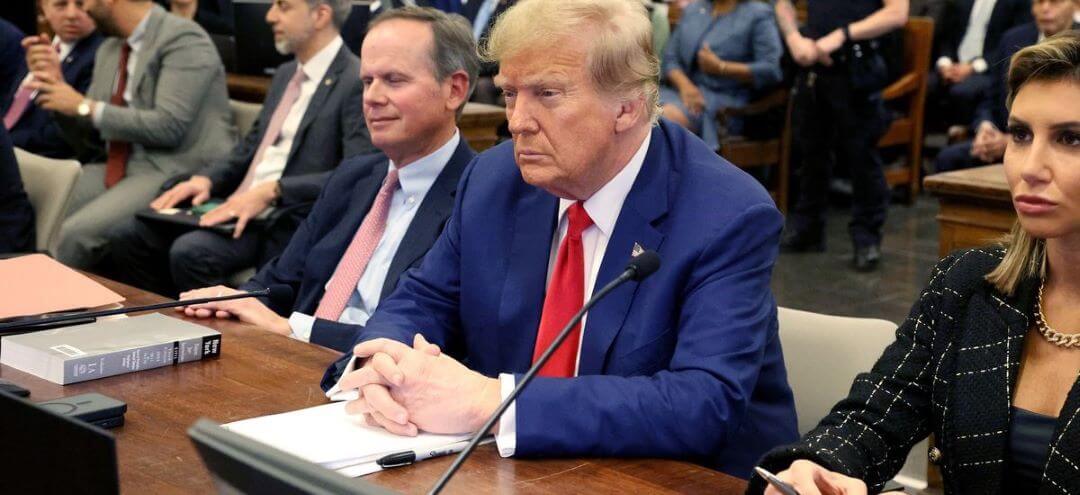
In a pivotal moment underscoring the intense scrutiny over the 2020 election’s aftermath, Fulton County Superior Court Judge Scott McAfee recently made headlines by rejecting former President Donald Trump’s bid to have the charges against him dismissed. Trump’s defense hinged on the argument that his efforts to influence the 2020 election results were safeguarded by the First Amendment’s broad canopy of free speech protections.
Judge McAfee’s ruling was clear-cut: he determined that the constitutional freedoms cited by Trump do not extend to the actions and statements highlighted in the state’s allegations. Furthermore, McAfee found no evidence that the laws in question inherently breached First Amendment rights. He articulated that the defense’s stance—that the prosecution undermines the First Amendment’s shields on political expression, the freedom to associate, and the right to petition the government—failed to apply to their alleged deeds. Moreover, McAfee contended that the charges levied were not excessively broad in scope.
Don’t miss this! Carry faith with you everywhere with the Exclusive National Prayer Coin!

Reacting to the court’s decision, Trump’s legal representative in Georgia, Steve Sadow, expressed their respectful disagreement with Judge McAfee’s verdict, signaling a determination to explore further avenues for challenging the First Amendment issues raised.
>> Click Here To Continue Reading <<

