
>> Continued From the Previous Page <<
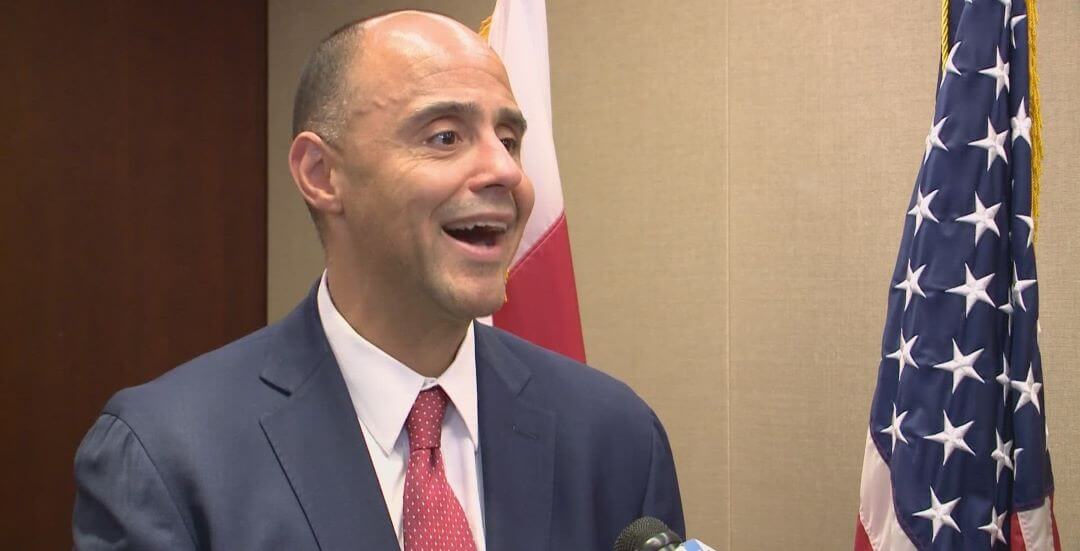
Investigative reporter Julie Kelly has shed light on the strategic positioning of the Department of Justice (DOJ) in anticipation of the Supreme Court’s decision. Should the Court decide to overturn or narrow the interpretation of the statute, and as a result, incarcerated J6ers seek their release, the DOJ, under Graves’ leadership, is prepared to counter with requests for consecutive sentences and sentence enhancements. This strategy underscores the DOJ’s commitment to holding those involved in the January 6th events accountable, even in the face of potential legal setbacks.
The Supreme Court’s decision to hear oral arguments in Fischer v. United States signals a pivotal moment in the ongoing legal debates surrounding the January 6th events. With the statute 18 USC §1512(c)(2) in question, the Court’s ruling has the potential to upend hundreds of J6 cases. The implications extend beyond the individuals directly involved, touching on broader questions of legal interpretation, the boundaries of protest and dissent, and the mechanisms of accountability in the wake of significant disruptions to governmental functions.

The controversy surrounding the application of 18 USC §1512(c)(2) has also enveloped high-profile figures, including former President Donald Trump. Trump faces charges that rely on the disputed statute, meaning the Supreme Court’s decision could also have a direct impact on the legal challenges he faces. This intertwining of individual cases with significant political and legal questions underscores the complex landscape in which the Fischer v. United States decision will land.
As the legal and political communities await the Supreme Court’s ruling, the stakes could not be higher. The outcome not only holds the potential to alter the legal fates of those involved in the January 6th events but also to reshape the contours of American jurisprudence on obstruction, protest, and the limits of governmental authority. With the DOJ poised to respond aggressively to any narrowing of 18 USC §1512(c)(2), the message from Matthew Graves is clear: the pursuit of accountability for January 6th is far from over, regardless of the legal hurdles that may arise.
ALERT! Major Water Restrictions In Effect!

